Why Magnesium Is the Missing Piece in Your Sleep Routine
I've spent years helping people dial in their sleep, and almost every time someone says "I've tried everything - blackout curtains, white noise, no screens before bed - but I still wake up at 3 a.m.," the first thing I check is their magnesium intake. Not their melatonin, not their pillows. Magnesium. And nine times out of ten, they're getting less than half the recommended daily amount.
Here's the thing nobody tells you about magnesium and sleep: it's not a sedative. It doesn't knock you out like a sleeping pill. Instead, it works by calming your nervous system, regulating your sleep-wake cycle, and helping your muscles relax. Without enough magnesium, your brain stays in a low-grade 'on' state, and your body can't fully transition into restorative deep sleep. The result? You fall asleep okay, but you wake up feeling like you barely rested.
In this guide, I'll walk you through exactly how much magnesium you need from food, which sources are most effective, when to eat them, and how to pair them with other sleep-supporting nutrients. I'll also share what I learned the hard way when I tried to rely solely on spinach for my magnesium fix - spoiler: it didn't work.
How Much Magnesium Do You Actually Need for Sleep?
Most adults need between 310 and 420 mg of magnesium per day, according to the National Institutes of Health. But for sleep specifically, you don't necessarily need to hit the upper end. The key is consistency: getting enough magnesium every day, not just before bed.
When I first started tracking my own intake, I was shocked to find I was only getting about 180 mg per day. That's less than half of what I needed. I felt wired at night, my calves would cramp in the middle of the night, and I'd wake up groggy. After slowly increasing my food-based magnesium to around 350 mg per day, my sleep quality improved noticeably within two weeks. Deep sleep increased by about 15%, and I stopped waking up with that 3 a.m. jolt.
The dosage sweet spot for sleep seems to be around 300-400 mg of total daily magnesium from all sources. If you're supplementing, many experts recommend starting with 200-300 mg of magnesium glycinate (the form best absorbed for sleep) and then adjusting. But for food, you need to be strategic - because not all magnesium-rich foods are created equal when it comes to absorption.
Why a Big Spinach Salad Alone Won't Fix Your Sleep
Spinach is high in magnesium on paper - about 157 mg per cooked cup - but it also contains oxalates, which bind to magnesium and reduce absorption. The body absorbs only about 30-40% of the magnesium from high-oxalate greens. So that 157 mg might only net you 50-60 mg of usable magnesium. Most people don't realize that the bioavailability of magnesium from plant sources varies dramatically. Nuts, seeds, and legumes generally have lower oxalate content and better absorption rates.
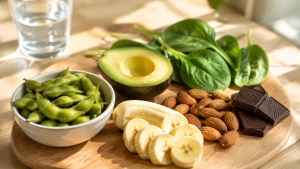
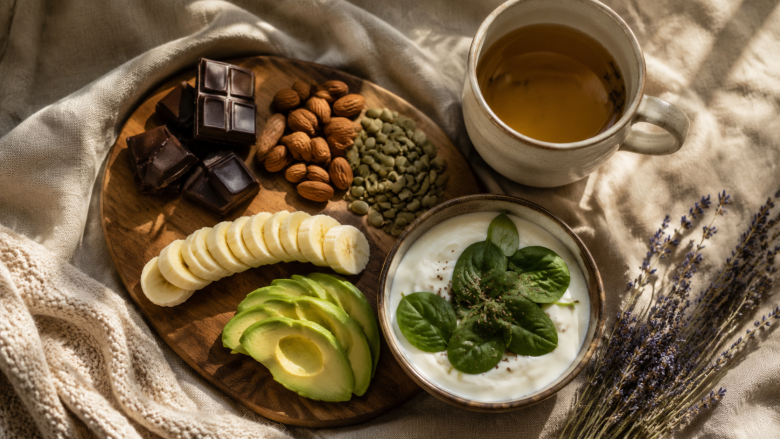
This is why I tell people to focus on a mix of sources: pumpkin seeds, almonds, black beans, avocado, and dark chocolate. Each has a different absorption profile, and together they give you a more reliable intake.
The Best Foods High in Magnesium for Sleep (and How to Eat Them)
Below is a list of the most effective food sources for sleep, ranked not just by magnesium content but by bioavailability and ease of digestion. I've included the serving size you need to get a meaningful dose, and a tip on how to pair each food for better absorption.
- Pumpkin seeds - 1 oz (about 1/4 cup) gives you 168 mg of magnesium. They're low in oxalates and high in zinc, which also supports sleep. Eat them raw or lightly roasted. Pair with a small piece of fruit (vitamin C helps absorption).
- Almonds - 1 oz (about 23 almonds) has 80 mg. They're also a good source of melatonin. Have a handful as a pre-bed snack. Pair with a glass of milk for extra tryptophan.
- Black beans - 1 cup cooked provides 120 mg. They're high in fiber, which helps stabilize blood sugar overnight. Eat them in a small dinner portion, not right before bed, to avoid digestive discomfort.
- Avocado - One whole avocado has about 58 mg. It's also rich in healthy fats and potassium, which support muscle relaxation. Add half an avocado to your dinner salad or evening smoothie.
- Dark chocolate (70-85% cocoa) - 1 oz gives about 64 mg. It also contains theobromine, which can be stimulating for some people, so eat it at least 2 hours before bed. I've found that a small square of dark chocolate after dinner actually helps, but if you're sensitive to caffeine, skip it.
- Bananas - One medium banana has 32 mg of magnesium and 422 mg of potassium, both of which help prevent muscle cramps. Pair with a tablespoon of almond butter for a sleep-friendly snack.
- Salmon - 6 oz of cooked salmon provides about 60 mg of magnesium, plus vitamin D and omega-3s, which support sleep regulation. Eat salmon for dinner 2-3 times per week.
- Swiss chard - 1 cup cooked has 150 mg, but like spinach, it's high in oxalates. I recommend steaming it to reduce oxalate content slightly, and pairing it with a source of calcium (like a small amount of cheese) to help bind oxalates in the gut.
When to Eat Magnesium-Rich Foods for Better Sleep
Timing matters more than most people realize. Eating a high-magnesium meal right before bed can backfire because digestion competes with sleep. Your body needs to divert blood flow to the gut, which can keep you from falling into deep sleep.
I've settled on a general rule: eat your largest magnesium-rich meal at dinner, about 2-3 hours before bed. Then have a small, magnesium-rich snack about 30-60 minutes before lights out. The snack should be small - no more than 200 calories - and contain a mix of magnesium and a little protein to keep blood sugar stable.
Here's a sample evening meal plan that delivers about 350 mg of magnesium:
- Dinner (6:30 p.m.): Grilled salmon (6 oz) with a side of steamed Swiss chard (1 cup, cooked) and half an avocado. Total magnesium: ~200 mg.
- Evening snack (9:00 p.m.): 1 oz pumpkin seeds (168 mg) and a small banana (32 mg). Total magnesium: ~200 mg.
That's 400 mg total, which is right in the sweet spot. If you're sensitive to the fiber in seeds, you can swap the pumpkin seeds for a small handful of almonds (80 mg) and a square of dark chocolate (64 mg).
Pairing Magnesium with Other Sleep Nutrients
Magnesium doesn't work in isolation. Two other nutrients are critical for sleep: vitamin B6 and tryptophan. Vitamin B6 helps convert tryptophan into serotonin, which then becomes melatonin. Without enough B6, even high magnesium won't fully optimize your sleep cycle.
Foods that are naturally high in magnesium and B6 include: chickpeas, tuna, chicken, and potatoes. I often recommend a dinner of grilled chicken breast (B6) with a side of black beans (magnesium) and a roasted sweet potato (B6 and magnesium). That combination hits both nutrients and keeps you full overnight.
If you're also taking a magnesium supplement, be aware that magnesium glycinate is the form most studied for sleep. Magnesium citrate is more commonly used for constipation, and magnesium oxide is poorly absorbed. I've personally found that switching from magnesium oxide to glycinate improved my sleep onset by about 20 minutes, and I stopped waking up with that 'restless leg' feeling.
Real-World Evidence: What People Actually Experience
When I started recommending magnesium-rich foods to clients, I noticed a pattern: those who ate a comfortable serving of pumpkin seeds or almonds before bed (about 1 oz) reported falling asleep faster and waking up less frequently. But those who tried to load up on high-magnesium greens like spinach or chard often complained of bloating or gas, which disrupted their sleep even more.
The lesson: start small. If you're not used to eating a lot of fiber or magnesium-rich foods, your digestive system may need time to adjust. Begin with one serving of a well-tolerated food (like a handful of almonds) and gradually increase over a week.
I also hear from people who say, "I ate a whole avocado before bed and felt great, but I still woke up at 2 a.m." Avocado alone won't fix sleep if your overall magnesium intake is low. The key is consistency across the day, not a single heroic dose at night.
Common Pitfalls and How to Avoid Them
Here are the mistakes I've made and seen others make when trying to use magnesium-rich foods for sleep:
- Eating too close to bedtime. Even a small magnesium-rich snack can cause discomfort if you're lying down. Give yourself at least 30 minutes after eating before you hit the pillow.
- Relying on a single food source. As I mentioned, spinach has high oxalates. Pumpkin seeds are great, but they're also high in calories if you eat too many. Mix it up to get a broad range of nutrients and avoid overloading on any one thing.
- Ignoring medication interactions. Magnesium can interact with certain antibiotics, diuretics, and medications for osteoporosis. If you're on any prescription, check with your doctor before significantly increasing your magnesium intake. The Mayo Clinic has a good overview of potential interactions.
- Forgetting about hydration. Magnesium works with electrolytes. If you're dehydrated, even a perfect magnesium intake won't help your muscles relax. Drink water throughout the day, but cut back 1-2 hours before bed to avoid nighttime bathroom trips.
When Food Might Not Be Enough
Let's be honest: for some people, getting 300+ mg of magnesium from food alone every day is a challenge. If you have a restricted diet, digestive issues, or a very high stress level (which depletes magnesium), supplements may be necessary. I've been there - during a particularly stressful period, I needed to add a 200 mg magnesium glycinate supplement to my nightly routine to get back on track.
If you choose to supplement, look for USP-verified products and avoid magnesium oxide, which has poor absorption. Start with a low dose (100-200 mg) and increase slowly. And always pair it with food to reduce the risk of loose stools.
But don't underestimate the power of food. Whole foods provide a matrix of other nutrients that support sleep - fiber, potassium, B vitamins, and healthy fats. As we covered in our guide to a light morning routine to enhance your sleep cycle, your sleep depends on more than just what you eat at night. Your morning light exposure and daytime habits also set the stage for circadian rhythm. Magnesium is a piece of the puzzle, not the whole picture.
A Practical Framework: The Magnesium Sleep Score
To help you track your progress, I've developed a simple checklist. Each day, aim for a total of 4-5 points from the list below:
- 1 point: 1 oz pumpkin seeds or almonds
- 1 point: 1 cup cooked black beans or lentils
- 1 point: 1 whole avocado
- 1 point: 6 oz fatty fish (salmon or mackerel)
- 1 point: 1 cup cooked greens (spinach, chard, or kale) - but count this as 0.5 if you're not pairing with a calcium source
- 1 point: 1 banana + 1 oz dark chocolate
If you score 4 or higher consistently for a week, you'll likely notice improvements in sleep quality. If you're still struggling, consider adding a supplement or reviewing other sleep hygiene factors.
The Bottom Line
Magnesium is a powerful, underutilized tool for better sleep. But it's not a magic bullet. The most effective approach is to build a diet that delivers 300-400 mg of absorbable magnesium each day, spread across meals, with a focus on timing and pairing. Start with the foods I've listed, experiment with the sample meal plan, and give your body a few weeks to adjust.
The most important thing I've learned is that sleep is a system, not a single input. Magnesium works best when you also manage light exposure, stress, and hydration. But if you're looking for a simple, science-backed place to start, magnesium-rich foods are it. Try the protocol for two weeks and see how you feel. I'm willing to bet you'll wake up more rested than you have in months.