Why Your Joint Pain Diet Might Be Missing the Mark
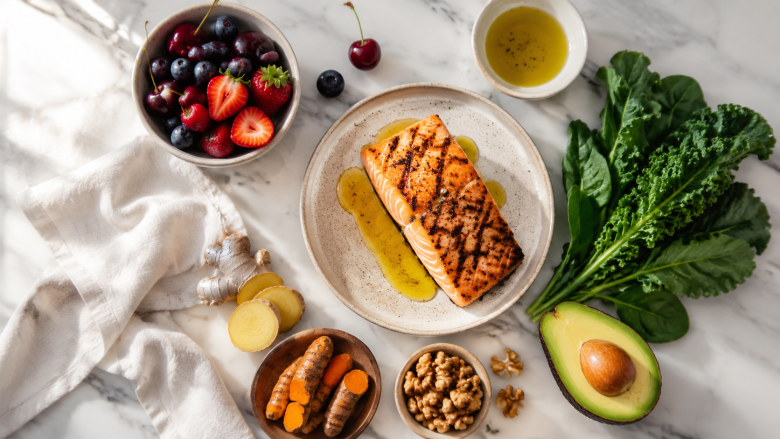
You've heard the usual advice: eat salmon, load up on berries, sprinkle turmeric on everything. But if you're still waking up with stiff knees or aching fingers, the problem isn't the foods themselves-it's how you're eating them. Most anti-inflammatory food lists treat each ingredient like a solo act, but in reality, these foods work best when they're paired together. The difference between a so-so salad and a joint-healing meal is often just one smart combination.
Here's the core insight: food synergy-the way certain compounds boost each other's absorption or activity-can double or triple the anti-inflammatory effect of what you eat. And the flip side? Some foods that are generally "healthy" can actually make your joint pain worse if you eat them the wrong way, or if you have a hidden sensitivity. In this guide, I'll walk you through the exact pairings that work, the common mistakes that backfire, and how to tailor the approach to your own body.
When I First Tried an Anti-Inflammatory Diet, I Made This Mistake
I'll be honest: a few years ago, I jumped headfirst into the "anti-inflammatory diet" trend. I loaded up on huge raw salads, green smoothies with tons of spinach, and handfuls of almonds for snacks. Within two weeks, my joint pain-which had been manageable-actually got worse. My fingers felt puffier, and my knees ached after short walks.
What I didn't realize then is that I was making three classic errors. First, I was eating raw cruciferous vegetables without any fat, which limits absorption of fat-soluble anti-inflammatory compounds. Second, I was consuming high-oxalate greens like spinach in massive quantities, which can contribute to joint discomfort in some people. Third, I was eating raw almonds, which contain phytic acid that can bind to minerals and cause gut irritation. That experience taught me that the how and what-with matter just as much as the what.
The Anti-Inflammatory Pairing Framework
Instead of a simple list, I want to give you a mental model for building every meal. Think of three layers:
- Base compound - the star anti-inflammatory ingredient (e.g., omega-3s, curcumin, sulforaphane)
- Booster - a nutrient or compound that enhances absorption or activity (e.g., black pepper, vitamin C, healthy fat)
- Gut-support - a component that helps your microbiome process the anti-inflammatory compounds (e.g., probiotics, fiber)
Most people only focus on the base. The magic happens when you include all three. Here are the specific pairings that research supports, along with the practical details you need to get them right.
Pairing 1: Omega-3 Fatty Acids + Sulforaphane (Salmon + Broccoli)
This is one of the most powerful combos for joint pain. Omega-3s from fatty fish like salmon, sardines, or mackerel reduce inflammation by producing resolvins and protectins. Sulforaphane, found in broccoli and other cruciferous vegetables, activates the Nrf2 pathway, which is your body's master antioxidant switch. Together, they target different inflammatory pathways simultaneously.
How to do it right: Steam your broccoli lightly-overcooking destroys sulforaphane. I aim for 3-4 minutes, just until bright green. Then drizzle with a small amount of olive oil (which helps absorb the fat-soluble sulforaphane). Pair with a 4-6 ounce portion of wild-caught salmon. Most people don't realize that raw broccoli has very little bioavailable sulforaphane because the enzyme myrosinase needs heat to activate. A quick steam is ideal; boiling leaches the compound into the water.
What can go wrong: If you have a thyroid condition, eating large amounts of raw cruciferous vegetables can interfere with iodine uptake. Light cooking solves that. Also, farmed salmon may have lower omega-3 content and higher levels of contaminants; choose wild-caught Alaskan salmon when possible. According to the NIH Office of Dietary Supplements, a 3-ounce serving of wild salmon provides about 1.5-2 grams of EPA and DHA combined.
Pairing 2: Curcumin + Piperine (Turmeric + Black Pepper)
This is the most famous food synergy, but most people still get it wrong. Curcumin, the active compound in turmeric, is notoriously poorly absorbed on its own. Piperine, found in black pepper, can increase absorption by up to 2000% according to research. But here's what the articles don't tell you: curcumin is fat-soluble, so you also need a source of fat for optimal absorption.
How to do it right: Use a teaspoon of turmeric powder (or a 1-inch piece of fresh turmeric) with a generous pinch of freshly ground black pepper. Cook it in a small amount of warm coconut oil or ghee for 30 seconds before adding to your dish. This activates the curcumin and incorporates the fat. I like to stir this into scrambled eggs or a warm lentil soup.
Trade-off: Turmeric has a strong, earthy flavor that can be overpowering. Start with half a teaspoon and work up. Also, high doses of curcumin supplements can cause stomach upset in some people-whole food forms are gentler. The National Institutes of Health has noted that clinical trials often use curcumin extracts with piperine, but cooking with turmeric and pepper is a safe and effective low-dose approach.
Pairing 3: Vitamin C + Plant-Based Iron (Leafy Greens + Citrus)
Inflammation depletes iron levels, and low iron can worsen fatigue and joint pain. But many plant-based iron sources (like spinach, kale, and lentils) contain non-heme iron, which is poorly absorbed. Vitamin C can boost absorption by up to six times.
How to do it right: Squeeze fresh lemon juice over a bowl of steamed spinach, or add orange slices to a lentil salad. Avoid cooking the citrus-heat destroys vitamin C. I add a squeeze of lemon to my kale salad just before eating. The thing nobody tells you: If you have hemochromatosis (iron overload), this pairing is dangerous. Get your iron levels checked before loading up on iron-rich greens and vitamin C. Also, raw spinach is high in oxalates, which can contribute to kidney stones and joint pain in some people-steaming reduces oxalate content by about 30-40%.
Pairing 4: Polyphenols + Probiotics (Dark Berries + Yogurt)
Berries like blueberries, blackberries, and raspberries are packed with anthocyanins, which reduce inflammation. But their polyphenols are largely metabolized by your gut microbiome. If your gut bacteria are out of balance, you won't get the full benefit.
How to do it right: Pair berries with a high-quality probiotic food like plain Greek yogurt, kefir, or fermented vegetables. The probiotics help break down the polyphenols into active compounds. I recommend frozen wild blueberries-they often have higher polyphenol content than fresh, and they're available year-round. Add a tablespoon of chia seeds for extra fiber to feed the good bacteria.
What can go wrong: Many commercial yogurts are loaded with added sugar, which can actually promote inflammation. Choose plain, unsweetened varieties. Also, if you're dairy-sensitive, try coconut yogurt with live cultures. A study in the Journal of Nutrition found that the combination of polyphenols and probiotics significantly increased anti-inflammatory markers in participants with metabolic syndrome.
Common "Healthy" Triggers That Worsen Joint Pain
Not every anti-inflammatory food works for everyone. Here are three seemingly healthy foods that can backfire-and how to tell if they're a problem for you.
High-Sugar Fruits (Even Natural Ones)
Fruits like mangoes, grapes, and bananas are high in fructose, which can spike insulin and trigger inflammatory pathways in some people. A single serving is fine, but if you're eating a "healthy" smoothie with a cup of mango, a banana, and orange juice, you're getting 40-50 grams of sugar. That's enough to undo the anti-inflammatory benefits of the berries you added.
What to do: Stick to low-sugar fruits like berries, cherries, and green apples. Limit to one serving per meal. If you have metabolic syndrome or insulin resistance, consider pairing fruit with a source of protein or fat (like nut butter) to blunt the blood sugar spike.
Raw Nuts and Seeds
Nuts are rich in anti-inflammatory omega-6s and vitamin E, but they also contain phytic acid and lectins, which can irritate the gut lining in sensitive individuals. Raw almonds, in particular, are high in phytic acid. I learned this the hard way when my joint pain flared after snacking on raw almonds for two weeks.
What to do: Soak or activate your nuts. Soak almonds in salted water overnight, then roast at a low temperature (150°F / 65°C) for 12-24 hours. This reduces phytic acid by up to 50% and makes the nuts easier to digest. Walnuts and pecans are lower in phytic acid and generally safer to eat raw in moderation.
Nightshade Vegetables (Tomatoes, Peppers, Eggplant, Potatoes)
This is a controversial topic. Nightshades contain solanine and other alkaloids that can trigger inflammation in some people with autoimmune arthritis. But not everyone reacts. The research is mixed-some studies show no effect, while others show a subset of people experience symptom relief when they eliminate nightshades.
What to do: Try a 2-week elimination diet. Remove all nightshades (including spices like paprika and cayenne) and track your joint pain. If you notice improvement, reintroduce one at a time. If you're fine with them, there's no reason to avoid them-they're rich in vitamins. According to the Arthritis Foundation, there's no one-size-fits-all answer, and individual experimentation is key.
Preparation Methods That Preserve (or Destroy) Anti-Inflammatory Compounds
How you cook matters as much as what you cook. Here are the key rules I follow:
- Steam, don't boil: Boiling leaches water-soluble vitamins and antioxidants into the water. Steam vegetables for 3-5 minutes to retain sulforaphane, glucosinolates, and vitamin C.
- Use gentle heat for omega-3s: High heat (pan-frying, grilling) can oxidize delicate omega-3 fats in fish. Bake salmon at 350°F (175°C) or poach it to minimize damage.
- Add fat with turmeric: Curcumin is fat-soluble, so always cook turmeric with a little oil or butter. Avoid boiling it in water alone.
- Crush garlic and let it rest: Chopping garlic and letting it sit for 10 minutes before cooking activates allicin, the anti-inflammatory compound. Cooking immediately destroys the enzyme that produces allicin.
- Soak beans and legumes: Dry beans contain lectins, which can cause gut inflammation. Soak them overnight, discard the water, and cook thoroughly. Canned beans are already pressure-cooked, which reduces lectins significantly.
Individual Variation: Why the Same Food Can Help or Hurt
Here's a truth that's rarely mentioned in the articles ranking on the first page: food sensitivity is highly individual. Two people with the same type of arthritis can eat the same meal and have opposite reactions. The main culprits behind this variation are histamine intolerance, oxalate sensitivity, and salicylate sensitivity.
Histamine Intolerance
Foods like aged cheese, fermented foods, avocados, and spinach are high in histamine. For people with a genetic deficiency in the DAO enzyme (which breaks down histamine), these foods can cause systemic inflammation, joint swelling, and headaches. If you notice that your joint pain worsens after eating fermented foods or leftover meat, histamine may be the issue. A low-histamine diet trial of 2-4 weeks can help you identify triggers.
Oxalate Sensitivity
Spinach, Swiss chard, beets, and almonds are high in oxalates. In susceptible individuals, oxalates can accumulate in joints and cause inflammation similar to gout. This is more common in people with a history of kidney stones or gut dysbiosis. If you have joint pain that feels like sharp crystals, consider reducing high-oxalate foods and drinking plenty of water to flush them out.
Salicylate Sensitivity
Many fruits, spices (turmeric, cumin), and herbs contain salicylates. While these are anti-inflammatory for most people, a small percentage experiences an intolerance that causes joint pain, hives, or digestive issues. The only way to know is through a systematic elimination diet.
My advice: Don't assume that every "superfood" is good for you. Keep a food and symptom journal for two weeks. Rate your joint pain on a scale of 1-10 each day and note what you ate. This is the most reliable way to find your personal triggers.
Putting It All Together: A Sample Day of Paired Meals
Here's a practical day of eating that incorporates the pairing framework and avoids common triggers.
Breakfast: Turmeric Scrambled Eggs with Sautéed Spinach
Whisk 2 eggs with a pinch of black pepper and 1/4 teaspoon turmeric. Cook in 1 teaspoon coconut oil over medium-low heat. Add a handful of baby spinach at the end and cook until wilted (about 1 minute). Serve with a side of half a grapefruit (vitamin C helps absorb any iron from the eggs).
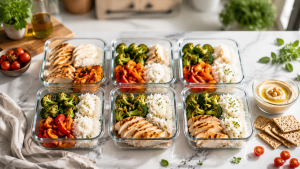
Lunch: Salmon and Broccoli Bowl
4 ounces wild-caught salmon, baked at 350°F for 12 minutes. Steam 1 cup of broccoli florets for 4 minutes. Drizzle with 1 tablespoon olive oil and a squeeze of lemon. Add 1/2 cup cooked quinoa for fiber. Top with a tablespoon of sunflower seeds (soaked overnight to reduce phytic acid).
Snack: Berry-Kefir Smoothie
1/2 cup plain kefir, 1/2 cup frozen wild blueberries, 1 tablespoon chia seeds, and a handful of fresh mint. Blend until smooth. The probiotics in kefir help your gut process the polyphenols in the berries.
Dinner: Lentil Soup with Turmeric and Lemon
Cook 1 cup red lentils with 4 cups water, 1 teaspoon turmeric, 1/2 teaspoon black pepper, 1 chopped carrot, and a bay leaf. Simmer for 20 minutes. Stir in a tablespoon of olive oil and a squeeze of lemon juice just before serving. The lemon provides vitamin C to boost iron absorption from the lentils.
Final Thoughts - The Most Important Rule
There is no perfect anti-inflammatory diet. What works for your neighbor or the influencer you follow may not work for you. The key is to use the pairing principles as a foundation, then adjust based on your own body's signals. Start with the four pairings I've outlined, try the sample day, and see how your joints feel after a week. If you notice a flare, go back to your food journal and look for patterns.
One more thing: don't underestimate the role of stress and sleep. Even the best food pairings won't fully compensate for chronic high cortisol or poor sleep. They amplify inflammation. So pair your anti-inflammatory meals with a consistent sleep schedule and a few minutes of deep breathing each day. That's the ultimate synergy.