Why Cutting Salt Alone Won't Fix Your Blood Pressure
I learned this the hard way. When I first started helping clients with hypertension, I told them to simply avoid salty snacks. They'd swap chips for pretzels, buy 'low sodium' soup, and still see minimal changes on their monitors. The problem wasn't just salt - it was the missing potassium.
Most people don't realize that blood pressure is a tug-of-war between sodium and potassium. Sodium pulls fluid into your blood vessels, raising pressure. Potassium helps flush out excess sodium and relaxes vessel walls. The American Heart Association recommends at least 4,700 mg of potassium daily, yet the average American gets barely half that. Meanwhile, we consume around 3,400 mg of sodium - far above the ideal 1,500 mg limit.
This article isn't just a list of low-sodium snacks. It's a framework for the sodium-potassium swap: choosing snacks that actively boost your potassium while keeping sodium under 140 mg per serving. I'll share label-reading hacks, surprising store finds, and the one trick that stopped my own salt cravings cold.
What's the Best Snack for High Blood Pressure?
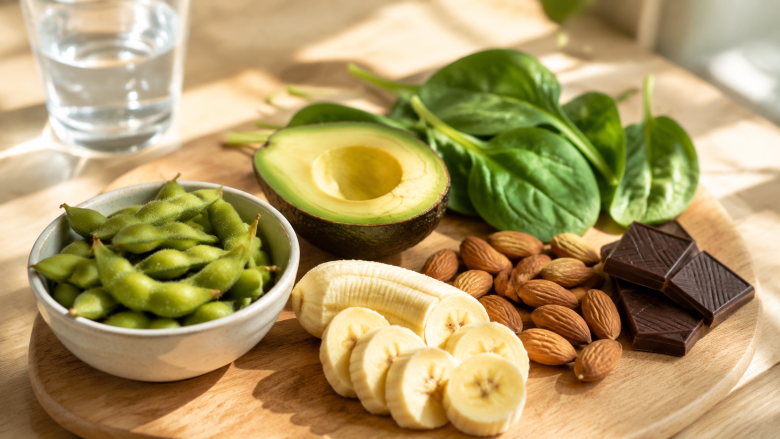
If I had to pick one snack that checks every box - low sodium, high potassium, filling, and portable - it would be unsalted edamame. A half-cup of shelled edamame has only 5 mg of sodium and 500 mg of potassium. That's over 10% of your daily potassium target in a single snack. Plus, the protein and fiber keep you full for hours.
But the 'best' snack depends on your context. Are you at your desk? On a road trip? Craving something crunchy or creamy? Let's break it down by scenario:
- Crunchy craving: Air-popped popcorn (no added salt) with a sprinkle of nutritional yeast. A 3-cup serving has about 2 mg sodium and 100 mg potassium.
- Creamy craving: Plain Greek yogurt (look for brands under 50 mg sodium per serving) topped with sliced banana. A 6-oz container of Fage Total 0% has 55 mg sodium, and one medium banana adds 422 mg potassium.
- Sweet tooth: Frozen fruit bars made from 100% fruit juice. Some brands like Outshine have 0 mg sodium and around 150 mg potassium per bar.
- Savory, portable: Roasted chickpeas (homemade: drain a can of no-salt-added chickpeas, toss with olive oil and spices, bake at 400°F for 30 minutes). A half-cup has 10 mg sodium and 280 mg potassium.
One thing nobody tells you: the best snack for high blood pressure might be a glass of water. Mild dehydration can spike blood pressure temporarily. Before you eat, drink a glass and wait 10 minutes. If the craving disappears, your body was asking for fluid, not food.
Surprisingly Low Sodium Snacks You'd Never Guess
When I first started scanning labels, I assumed anything labeled 'healthy' was safe. Then I picked up a pouch of 'veggie straws' - 250 mg of sodium per serving. That's more than a standard bag of potato chips. Here are the snacks that shocked me with their low sodium content:
- Frozen blueberries - a cup has 0 mg sodium and 114 mg potassium. Thaw slightly for a sorbet-like treat.
- Avocado - half an avocado has 5 mg sodium and 487 mg potassium. Mash it on a rice cake (check the rice cake label; some have added salt).
- Baked beet chips - brands like Rhythm Superfoods have 30 mg sodium per serving and 400 mg potassium. Beets are also rich in nitrates, which help dilate blood vessels.
- Dark chocolate (70%+ cacao) - one ounce has about 5 mg sodium and 150 mg potassium. Choose varieties without added salt.
- Skinny Pop original popcorn - a 1-oz bag has 75 mg sodium, which is surprisingly low for a packaged popcorn. (We'll dive deeper into Skinny Pop in a moment.)
The trick is to ignore the front-of-package claims. 'Reduced sodium' often still means 200+ mg per serving. Flip to the back and look for the % Daily Value of potassium. A snack that provides 10% or more potassium DV (that's 470 mg) while staying under 5% sodium DV (120 mg) is a win.
Should I Eat Salt If My BP Is High?
This is the most common question I get, and the answer surprises many: No, you should not add salt to food, but you don't need to fear the sodium that occurs naturally in whole foods. A carrot has about 50 mg of sodium naturally - that's negligible. The problem is added salt in processed snacks, canned goods, and restaurant meals.
Here's the nuance: your body needs some sodium to maintain nerve function and fluid balance. The CDC states that adults with hypertension should aim for less than 1,500 mg per day. That's about 2/3 of a teaspoon of salt. Most of us blow past that before lunch.
When a client asks, 'But I crave salt - should I give in?' I tell them to look at their potassium intake first. If you're low on potassium, your body can misinterpret that as a salt craving. Try eating a high-potassium snack (like an orange or a handful of almonds) and see if the craving fades within 15 minutes. For me, that trick worked 80% of the time.
The one exception: if you have kidney disease or are on a potassium-restricted diet, talk to your doctor before increasing potassium. But for most people with high blood pressure, boosting potassium is far more impactful than obsessively cutting sodium.
Is Skinny Pop Good for High Blood Pressure?
Let's settle this. Skinny Pop original popcorn contains 75 mg of sodium per 1-oz bag. That's well under the 140 mg 'low sodium' threshold set by the FDA. Compared to regular microwave popcorn (which can have 200-400 mg per serving), Skinny Pop is a solid choice. But is it good for high blood pressure?
It depends on your overall diet. Popcorn itself is a whole grain with fiber and some potassium (about 30 mg per cup). However, Skinny Pop offers very little potassium - not enough to offset the sodium. So while it won't spike your blood pressure, it also won't actively lower it. Think of it as a neutral snack that's better than chips but not as beneficial as edamame or avocado.
If you love popcorn, make your own: buy plain kernels and an air popper. A 3-cup serving of air-popped popcorn has 2 mg sodium and 100 mg potassium. Add a pinch of smoked paprika or garlic powder for flavor without salt. That's a snack that's genuinely good for your BP.
Practical Label-Reading Hacks
I've spent years teaching clients how to read nutrition labels, and the mistakes I see are always the same. Here's my step-by-step process - the one I wish someone had shown me when I started:
- Ignore the front of the package. 'Natural,' 'healthy,' 'organic' - none of these guarantee low sodium.
- Go straight to the Nutrition Facts panel. Look at Sodium (mg) and Potassium (mg). If potassium isn't listed, the product likely has very little. Many manufacturers don't include potassium on the label unless it's a selling point.
- Check the serving size. A bag might say 140 mg sodium per serving, but if the bag contains 2.5 servings, you're getting 350 mg. I once bought a 'low sodium' trail mix that was 120 mg per 1/4 cup - but I ate half the bag in one sitting.
- Calculate the sodium-to-potassium ratio. Aim for a ratio where potassium is at least double the sodium. For example, a snack with 100 mg sodium and 300 mg potassium is excellent. A snack with 200 mg sodium and 100 mg potassium is a problem.
- Watch for hidden sodium sources. Ingredients like sodium bicarbonate (baking soda), sodium citrate, disodium phosphate, and monosodium glutamate (MSG) all add sodium. Even 'unsalted' nuts can be roasted with a sodium-based leavening agent.
One of my favorite tools is our Drink Sodium Calculator, which helps you track sodium from beverages and snacks throughout the day. I use it with clients to identify hidden sources they'd never think to track - like that 'healthy' green juice that has 300 mg of sodium from celery and added sea salt.
Managing Salt Cravings Without Giving Up Flavor
Cutting sodium doesn't mean eating bland food. The thing nobody tells you is that your taste buds adapt within two weeks. After that, foods you once found salty will taste overwhelming. But those first two weeks can be brutal. Here's what actually works:
- Use acid. A squeeze of lemon or lime, a splash of vinegar (balsamic, apple cider, rice) - acid mimics salt's ability to brighten flavors. I drizzle balsamic glaze on sliced cucumbers and tomatoes for a snack that tastes salty but has under 20 mg sodium.
- Embrace umami. Nutritional yeast, mushrooms, tomato paste, and miso paste (use sparingly as miso has sodium) all add savory depth. A sprinkle of nutritional yeast on popcorn gives a cheesy flavor with 0 mg sodium.
- Spice it up. Cayenne, smoked paprika, cumin, garlic powder, onion powder - these add heat and complexity. Avoid pre-mixed seasoning blends, which often contain salt as the first ingredient.
- Go for texture. Crunchy snacks satisfy a different craving than salty ones. Try raw bell pepper strips, jicama sticks, or roasted seaweed snacks (check labels - some brands have 50 mg per pack, others 150 mg).
- Drink something cold. A cold glass of water or unsweetened iced tea can reset your palate. I keep a pitcher of cucumber-mint water in my fridge at all times.
If you still feel a strong salt craving, it might be a sign of an electrolyte imbalance - especially if you exercise heavily. For those who exercise, our Pressure Calories Vigorous Intensity Calculator can help you estimate how much sodium you lose through sweat and whether you need to replenish it. Most people don't need to add salt after a 30-minute walk, but after an intense hour-long run, a small amount of sodium (think a pinch of salt in your water) may be appropriate.
Putting It All Together: A Sample Snack Day
Here's what a low-sodium, high-potassium snack day looks like in practice. I've used these combinations with dozens of clients, and they consistently report better numbers on their home blood pressure monitors within two weeks.
- Morning snack (10 AM): 1 medium banana + 1 tablespoon of almond butter (no salt added). Sodium: ~1 mg. Potassium: ~450 mg.
- Afternoon snack (2 PM): 1/2 cup of plain Greek yogurt (Fage Total 0%) + 1/2 cup of frozen blueberries (thawed). Sodium: ~55 mg. Potassium: ~400 mg.
- Pre-dinner snack (5 PM): 1 cup of air-popped popcorn with nutritional yeast. Sodium: ~2 mg. Potassium: ~100 mg.
- Evening treat (8 PM): 1 ounce of dark chocolate (70% cacao). Sodium: ~5 mg. Potassium: ~150 mg.
Total for the day's snacks: about 63 mg sodium and 1,100 mg potassium. That's a sodium-to-potassium ratio of 1:17 - excellent. Compare that to a typical bag of potato chips (170 mg sodium, 70 mg potassium per ounce) and you see the difference.
When Low-Sodium Snacks Go Wrong
I want to be honest about the pitfalls. Low-sodium snacks often compensate with added sugar, unhealthy fats, or artificial ingredients. For example, some 'low sodium' crackers replace salt with sugar or palm oil. Always check the full ingredient list.
Another mistake: buying 'no salt added' canned vegetables but forgetting to rinse them. Even 'no salt added' canned beans can have 100-200 mg of sodium from the canning process. Rinsing them under cold water for 30 seconds removes up to 40% of that sodium.
And here's the edge case nobody talks about: if you have orthostatic hypotension (blood pressure drops when you stand up), a very low-sodium diet can make you dizzy. Always consult your doctor before making drastic changes. The goal is not zero sodium, but a healthy balance.
Your Next Step: The 3-Day Swap Challenge
You don't need to overhaul your entire diet overnight. Start with this challenge: for the next three days, replace one salty snack with a potassium-rich option from the list above. Track how you feel. On day 4, check your blood pressure at the same time of day you usually do.
Most people see a 3-5 point drop in systolic pressure within a week. That's not a guarantee, but it's common. The key is consistency - one swap at a time.
Remember, the best low sodium snacks for high blood pressure aren't just about avoiding salt. They're about adding the good stuff: potassium, fiber, and whole foods. Your taste buds will adapt, your cravings will shift, and your body will thank you.