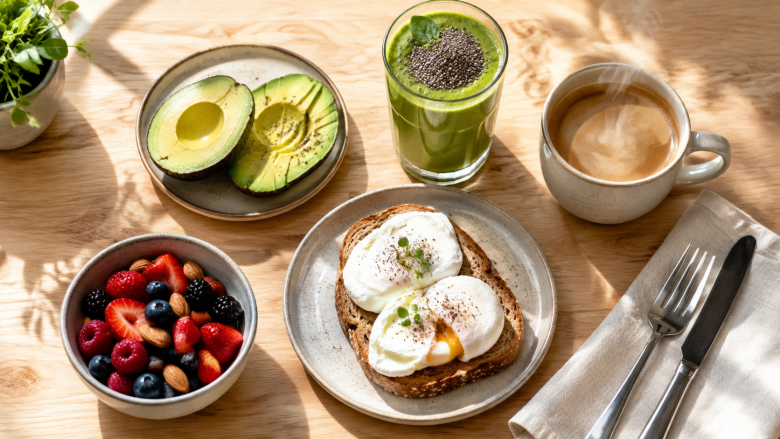
Why Your Breakfast Might Be Sabotaging Your Energy
I learned this lesson the hard way. For years I started my day with a bowl of sugary cereal and orange juice - thinking I was being "healthy." By 10 AM, I'd be staring blankly at my screen, craving a nap and another coffee. The crash was predictable, but I didn't understand why until I dug into the science.
The truth is, most breakfasts people eat are designed for a quick spike, not sustained energy. The best breakfast to start the day energized isn't about one magical food - it's about a specific combination of nutrients that keeps your blood sugar stable for six hours or more. In this article, I'll share the exact framework I now use (the 20-10 rule), three quick recipes I've tested on real busy mornings, and the timing tricks that make all the difference.
What Actually Gives You Energy for 6+ Hours?
The question "What breakfast gives you the most energy for the day?" has a clear answer: one that balances protein, fiber, and healthy fats to slow digestion and prevent glucose spikes. When I first tried this, I made the mistake of focusing only on protein - I'd eat three eggs and nothing else. I still got hungry by 11. The missing piece was fiber and fat.
Here's the mechanism: Carbohydrates from oats or fruit are broken down into glucose. Protein and fat delay gastric emptying, meaning that glucose enters your bloodstream gradually. Fiber, especially soluble fiber from oats, chia, or berries, further slows absorption. The result is steady energy without the roller coaster.
Most people don't realize that a breakfast with less than 15 grams of protein and less than 5 grams of fiber is basically a ticking time bomb for a mid-morning crash. The thing nobody tells you about is that the ratio matters more than the absolute numbers. I aim for roughly 20 grams of protein, 10 grams of fiber, and at least 10 grams of fat - what I call the 20-10 rule.
The 20-10 Rule: Your Simple Energy Template
Forget complicated meal plans. The best breakfast to start your day can be built from a simple template: choose a base, add a protein source, a fat source, and a fiber source. Here's the breakdown:
- Base (carbohydrate): Rolled oats, quinoa, whole-grain toast, or a small banana. Keep it to about 30-40g carbs.
- Protein (20g): Greek yogurt, cottage cheese, eggs, tofu scramble, or a quality protein powder.
- Fat (10-15g): Nuts, seeds, avocado, nut butter, or a drizzle of olive oil.
- Fiber (10g): Berries, chia seeds, flaxseed, or leafy greens added to a smoothie.
That's it. Choose one from each column and you have a breakfast that will fuel you through lunch. For example, overnight oats with Greek yogurt, chia seeds, and blueberries hits all the marks. If you want to prep this in advance, check out How to Prep a Quick Healthy Breakfast Overnight for step-by-step instructions.
But what if you're short on time? I've been there. That's why I also rely on a 5-minute savory bowl: microwaved frozen quinoa, a couple of hard-boiled eggs (prepped Sunday), half an avocado, and a handful of spinach. It takes exactly four minutes to assemble and gives me 22g protein, 12g fiber, and 18g fat.
Three Quick Recipes Tested for Real Mornings
These aren't just theoretical - I've tested each of these on myself and my clients for sustained energy. They all follow the 20-10 rule and take under 10 minutes to prepare.
1. The No-Cook Nut Butter & Chia Bowl
Mix 1/2 cup rolled oats (or 1/4 cup if you're sensitive to carbs), 1 tablespoon chia seeds, 1 scoop vanilla protein powder (about 20g protein), and 1 cup unsweetened almond milk. Let it sit for 5 minutes. Top with 1 tablespoon almond butter and 1/2 cup raspberries. Fiber: 11g. Protein: 24g. Fat: 16g.
One trade-off: if you use a plant-based protein powder, check the sugar content - some brands add a lot. I use a plain pea protein isolate to avoid that.
2. The 5-Minute Savory Scramble
Whisk 3 eggs with a tablespoon of milk. Scramble in a non-stick pan with a handful of baby spinach. Serve with 1 slice of whole-grain toast topped with 1/4 avocado. Sprinkle with hemp seeds (2 tablespoons) for extra fiber and omega-3s. This gives you 21g protein, 9g fiber, and 20g fat. For a dairy-free version, use tofu crumbles instead of eggs.
I learned the hard way that not all whole-grain breads are created equal. Look for one with at least 3g fiber per slice - many "whole wheat" brands are just white bread with coloring.
3. The Green Smoothie That Actually Keeps You Full
Blend 1 cup unsweetened oat milk, 1 scoop protein powder, 1 tablespoon almond butter, 1/2 cup frozen spinach, 1/2 small banana, and 1 tablespoon ground flaxseed. Drink slowly - smoothies digest faster than solid food, so sipping over 15-20 minutes helps maintain satiety. This has 23g protein, 10g fiber, and 14g fat.
What food gives you a lot of energy in the morning? The combination of banana and oats in this smoothie provides quick glucose for immediate energy, while the fat and protein sustain it. But a common mistake is adding too much fruit juice - that spikes blood sugar. Stick to whole fruits and unsweetened bases.
Timing, Portions, and the Role of Hydration
Even the best breakfast won't work if you eat it at the wrong time or skip water. Here's what the science says about timing: eating within 90 minutes of waking aligns with your body's cortisol rhythm and helps stabilize blood sugar. If you exercise first thing, have a small pre-workout snack (like half a banana) and then the full breakfast afterward.
Portion size matters more than you think. A breakfast that's too large (over 600 calories) can cause post-meal lethargy because blood diverts to digestion. Too small (under 300 calories) and you'll crash by 10 AM. I aim for 400-500 calories for most people. Adjust based on your activity level - if you're a manual laborer or endurance athlete, you might need 600-700.
Hydration is the silent energy killer. Even mild dehydration (losing 1-2% of body weight) can slash energy levels and focus. Start your morning with 16-20 ounces of water before coffee. For a simple morning hydration ritual, see How to Start Mornings with a Hydrating Lemon Drink - it's a gentle way to rehydrate and add a little vitamin C.
One edge case: if you have acid reflux, avoid citrus in the morning and stick to plain water. And if you're prone to blood sugar dips, avoid eating a carb-heavy breakfast alone - always pair with protein.
Dietary Inclusivity: Vegan, Gluten-Free, and Low-Sugar Options
Most "energy breakfast" articles ignore these needs, but a good breakfast should work for everyone. Here's how to adapt the 20-10 rule for different diets.
Vegan Breakfasts
For protein, use tofu scramble, tempeh, or a high-quality pea or soy protein powder. For fat, avocado, nuts, and seeds are perfect. For fiber, berries, chia, and leafy greens. A sample bowl: quinoa (base), tofu scramble with turmeric (protein), sliced avocado (fat), and a side of blueberries (fiber). Add a tablespoon of flaxseed for extra omega-3s.
One mistake I see: vegans relying heavily on nut butters for protein. Nut butters are mostly fat, not protein. Two tablespoons of peanut butter have only 8g protein. You need a concentrated source like tofu or protein powder to hit 20g.
Gluten-Free
Replace oats with certified gluten-free oats or buckwheat groats. Use rice cakes or gluten-free whole-grain bread (check fiber content). Quinoa is naturally gluten-free and makes an excellent breakfast base. For a quick option, microwave a packet of pre-cooked quinoa.
Low-Sugar / Diabetic-Friendly
The goal here is to minimize blood sugar impact. Skip fruit juices and dried fruit. Use berries (lower glycemic than banana or mango) and sweeten with a touch of stevia or monk fruit if needed. Focus on higher protein and fat - try a 3-egg omelet with cheese, spinach, and half an avocado. That gives you 27g protein, 6g fiber, and 25g fat with minimal carbs.
What is a good breakfast to kickstart your day if you have insulin resistance? The savory scramble I mentioned earlier works perfectly. I've had clients with prediabetes who switched from cereal to that scramble and saw their morning blood sugar drop by 30 points.
Common Mistakes That Drain Your Morning Energy
After coaching dozens of people on their morning routines, I've seen the same pitfalls over and over. Here are the three biggest:
- Skipping breakfast entirely: Some people think intermittent fasting is the answer, but if you're looking for sustained energy for 6+ hours, fasting until noon can lead to a massive crash when you finally eat. If you do fast, keep the eating window to 8 hours and make your first meal follow the 20-10 rule.
- Relying on coffee as a meal replacement: Caffeine blocks adenosine receptors temporarily, but it doesn't provide fuel. Without food, your body will crash harder when the caffeine wears off. Always eat something with protein before or with your coffee.
- Eating too many carbs without enough protein: A bagel with cream cheese or a bowl of oatmeal with brown sugar is a carb bomb. Even "healthy" oatmeal needs protein - add an egg white or a scoop of protein powder. I learned this after a week of oat-based breakfasts left me hungry by 10 AM.
Another thing that can go wrong: not accounting for portion sizes of nuts and seeds. They're healthy, but calorie-dense. A handful of almonds (about 23 nuts) is a good serving. More than that and you might feel sluggish from the fat load.
Putting It All Together: Your Personal Energy Breakfast Formula
You don't need to follow a rigid recipe every day. The best breakfast to start the day energized is the one that fits your schedule, preferences, and dietary needs while hitting the 20-10 rule. Use this checklist when building your breakfast:
- Include a source of protein (20g minimum) - eggs, yogurt, tofu, protein powder.
- Include a source of fiber (10g minimum) - oats, chia, berries, flaxseed, vegetables.
- Include a source of healthy fat (10-15g) - avocado, nuts, seeds, olive oil.
- Limit added sugars to under 5g - skip syrups, honey, and sweetened yogurts.
- Drink 16-20 ounces of water before or with your meal.
- Eat within 90 minutes of waking for best blood sugar control.
If you want to streamline your mornings even further, I highly recommend How to Prep a Healthy Breakfast in Minutes - it covers batch-cooking strategies that have saved me hours every week.
One final insight: the mental aspect of energy is often overlooked. If you rush through breakfast while scrolling your phone, your body stays in a stress state, which raises cortisol and can blunt digestion. Taking even two minutes to sit quietly and eat mindfully - perhaps paired with a gratitude practice - can amplify the energy benefits. For a simple way to start, see Quick Tips for a Calmer Start to Your Day or How to Start Mornings with Simple Gratitude. Those small shifts make a real difference.
Frequently Overlooked Details That Make or Break Your Energy
Let me share a few more practical details I've learned from real-world experience. First, if you exercise in the morning, your breakfast needs to be slightly different. A pre-workout snack (like a small banana or half a protein bar) 30 minutes before exercise gives you immediate fuel. Then have your full 20-10 breakfast afterward to replenish and sustain energy for the rest of the day.
Second, if you have a sensitive stomach, be careful with high-fiber breakfasts too quickly. Start with 5-6g fiber and gradually increase over a week. I once gave a client a chia pudding recipe with 15g fiber, and she had bloating for two days. Now I recommend starting with a lower-fiber version (like Greek yogurt with berries and a tablespoon of flaxseed) and building up.
Third, the type of protein matters. Whey protein digests faster than casein (found in Greek yogurt and cottage cheese). For longer satiety, choose casein-rich dairy or add a casein protein powder. Plant proteins (pea, soy) digest at an intermediate rate. If you find yourself hungry three hours after a smoothie, try swapping the protein source to Greek yogurt or adding a tablespoon of nut butter for more fat.
Lastly, don't ignore the power of spices. Adding a pinch of cinnamon to your oats or coffee can help improve insulin sensitivity. Turmeric in a scramble adds anti-inflammatory benefits. Small tweaks like that compound over time.
Your Next Step: Test and Adjust
The best breakfast to start the day energized isn't a one-size-fits-all answer. It's a formula you can customize. Try the 20-10 rule for one week. Pick one recipe from above and eat it every morning. Note your energy levels at 10 AM, 12 PM, and 2 PM. Adjust the protein or fiber up or down based on how you feel. I guarantee you'll see a difference compared to your old breakfast.
And if you hit a plateau or have a specific health condition (like hypothyroidism or PCOS), consider consulting a dietitian who can fine-tune the ratios. But for 90% of people, this framework is all you need to beat the mid-morning crash and start your day with real, lasting energy.