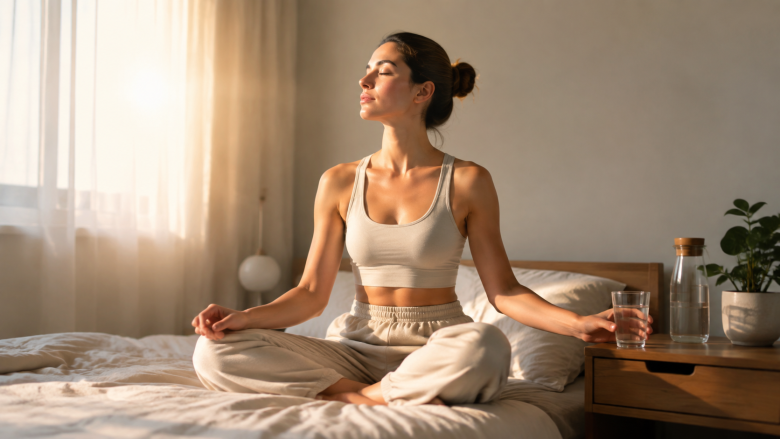
Your Morning Starts Before You Open Your Eyes
I used to wake up and immediately grab my phone. For years. I thought I was being productive - checking messages, scanning headlines, getting a head start. But I was actually sabotaging my entire day. The first thing you do in the morning sets the neurological tone for the next 16 hours. Most people don't realize that the first five minutes are more powerful than any elaborate routine that follows. The question isn't just 'what to do first thing in the morning' - it's what sequence of actions aligns with your biology and your goals.
What you do in those first moments after waking determines your cortisol curve, your dopamine baseline, and your decision-making capacity. It's not about willpower. It's about wiring. And the best part: you can customize it based on whether you need energy, calm, or creative focus. Below, I'll walk you through the exact sequence I've refined over years of trial and error, backed by the neuroscience of why each step works. No fluff. No listicles. Just a framework you can test tomorrow morning.
The Neurological Why: Why Your First 5 Minutes Matter More Than Your First Hour
Your brain doesn't boot up instantly. When you wake, your prefrontal cortex - the part responsible for rational decision-making and impulse control - is still coming online. Meanwhile, your amygdala (the brain's alarm system) is hypersensitive. This is why the first thing you do can either trigger a calm, focused state or a stress-reactive one.
One of the most powerful signals is light. Exposure to natural light within the first 30 minutes of waking triggers the release of cortisol, which is actually beneficial - but only in the right dose. The problem is that most people's first light exposure comes from a phone screen, which is full of blue light that spikes cortisol too high, too fast, and then crashes it. According to the National Center for Biotechnology Information, this disruption can impair sleep-wake cycles and metabolic health. The ideal first action is to get outside, even for 60 seconds, to let your retina's intrinsically photosensitive retinal ganglion cells (ipRGCs) signal the suprachiasmatic nucleus (your master clock) that it's morning.
But not everyone can jump out of bed and step outside. That's where personalization comes in. Your chronotype - whether you're a lark (early riser) or an owl (night person) - affects how your body responds to morning light and movement. An owl forced into a 5 a.m. wake-up will have a different hormonal response than a lark doing the same thing. The '4am rule' (popularized by early-morning influencers) often ignores sleep debt consequences. Most people who force a 4 a.m. wake-up are running on a chronic sleep deficit, which undermines the very productivity they're chasing. The healthiest thing you can do first thing in the morning is to not wake up in a state of sleep deprivation.
Your Decision Tree: What to Do in the First 5 Minutes Based on Your Goal
I've created a simple decision tree that eliminates analysis paralysis. There are three primary morning goals: Energy, Calm, and Creativity. Each requires a different first action. Here's how to choose, with specific steps for each.
Goal: Energy (for a high-demand, active day)
First action: Light exposure + movement. Within 30 seconds of waking, open your curtains or (better) step outside. If you can't, use a bright light therapy lamp (10,000 lux) for 5 minutes while you stand up. Then do a simple bodyweight movement: 10 squats, or 20 jumping jacks, or just walking in place for 60 seconds. The key is that the movement is sub-maximal - not a workout. It's just to get blood flowing and signal to your brain that the body is awake.
When I first tried this, I made the mistake of going straight into a high-intensity interval workout. My cortisol spiked so high I felt nauseous and crashed by 10 a.m. What I learned: gentle movement first, then wait 30 minutes before anything strenuous. The thing nobody tells you about morning energy is that it's about vascular reactivity, not just adrenaline. Your blood vessels are constricted when you first wake up. Sudden high intensity can strain the cardiovascular system. Start with low-intensity, then build.
Goal: Calm (for a day with high-stress demands or anxiety)
First action: Breathwork + stillness. Before you even sit up, lie on your back and take six slow, deep breaths with a longer exhale (e.g., inhale 4 counts, exhale 6 counts). This activates the parasympathetic nervous system via the vagus nerve. Then, as you stand, keep your eyes soft and avoid looking at any screens. Spend the next 2 minutes doing a simple grounding technique: name three things you can hear, two you can feel, one you can smell.
This is especially important if you struggled with sleep quality. Poor sleep elevates baseline cortisol, making you more reactive to stress. By starting with calm, you break the cycle of 'waking up anxious.' The healthiest thing to have first thing in the morning for calm is not a drink or food - it's a few minutes of mindful breathing. Once you've done that, you can hydrate. For a deeper dive on morning hydration, see our article on how to hydrate right first thing each morning.
Goal: Creativity (for a day of writing, problem-solving, or artistic work)
First action: Capture mode. Keep a notebook or a simple voice recorder by your bed. In the first 2 minutes after waking, don't think about your to-do list. Instead, write down whatever comes to mind - a dream fragment, an idea, a question. The hypnopompic state (the transition from sleep to wakefulness) is a 'golden window' for divergent thinking. Your brain is still in a theta-wave dominant state, which is associated with creativity and insight.
Most people kill this state by checking email or social media, which immediately switches the brain into beta-wave processing (alert, analytical). If you want to preserve that creative spark, stay in the theta state as long as possible. I keep a small notebook on my nightstand with a pen. I write for exactly 2 minutes, no editing. After that, I proceed with the rest of my routine. The first thing you should do every morning if you're creative is to capture, not consume.
The One-Minute 'Snooze Reset' When You Hit the Button
Let's be honest: sometimes you hit snooze. It happens. The guilt and self-criticism that follows is worse for your morning than the extra sleep. Instead of fighting it, I've developed a one-minute 'reset' that you can do even while lying in bed, after you've snoozed.
Step 1 (0-15 seconds): As soon as you become aware you've hit snooze, take a deep breath and say to yourself: 'I'm resetting.' No shame. Shame triggers cortisol, which makes it harder to wake up.
Step 2 (15-45 seconds): Gently rotate your ankles and wrists in circles. This activates the proprioceptive system and sends signals to your brain that you're preparing to move. It also helps with blood circulation.
Step 3 (45-60 seconds): Open your eyes and look at a distant point in the room (or if there's a window, look outside). Let your eyes adjust to the light without squinting. This begins the light exposure process even if you're still horizontal.
Then, when the alarm goes off again, you're 60 seconds closer to being awake. This reset works because it interrupts the 'just 5 more minutes' spiral that often leads to 30 minutes of fragmented sleep, which leaves you groggier than if you'd gotten up at the first alarm.
What to Consume: The First Drink and Food (With Realistic Options)
One of the most common questions: 'What is the healthiest thing to have first thing in the morning?' The answer isn't a specific food - it's water. After 6-8 hours of sleep, your body is mildly dehydrated. Even a 2% dehydration level can impair cognitive performance and mood. But not all water is equal. I recommend drinking a glass of water at room temperature (not ice-cold, which can shock the digestive system) with a pinch of salt and a squeeze of lemon if you tolerate it. The salt helps with electrolyte balance, and the lemon provides a small amount of vitamin C and aids digestion.
If you're someone who can't stomach water first thing, try herbal tea (non-caffeinated) or a warm water with a slice of ginger. Avoid coffee for at least 60-90 minutes after waking. The reason: your body's natural cortisol awakening response peaks within the first hour. Drinking coffee during that peak suppresses the natural cortisol rise and makes you dependent on caffeine to feel alert later. This is known as 'caffeine tolerance timing.' Wait until after your morning routine, ideally after you've had light exposure and movement, then have your coffee. For more on morning practices that support vitality, see our guide on 7 simple morning practices for more vitality.
If you're hungry, a protein-rich breakfast (eggs, Greek yogurt, or a smoothie with protein powder) is better than a carb-heavy one. Protein helps stabilize blood sugar and reduces mid-morning cravings. Carbs alone can cause a spike and crash. But the first thing you consume should still be water - wait 15-20 minutes before eating.
How to Automate the First 5 Minutes to Beat Decision Fatigue
Decision fatigue is real, and it hits hardest in the morning. The more choices you have to make, the more mental energy you burn before you've even started your day. The solution: automate the first 5 minutes so you don't have to think about what to do. Here's my exact system, which I've used for over three years.
- Night before: Place a glass of water on your nightstand, next to a notebook and pen, and your phone face-down (or in another room). Set your alarm for a consistent time, and if you use a smartphone alarm, put it on the opposite side of the room so you have to stand up to turn it off.
- When the alarm goes off: Stand up immediately. No sitting, no scrolling. Walk to the bathroom or to a window. The act of standing breaks the 'snooze inertia.'
- First 60 seconds: Open curtains or step outside. Do 10 deep breaths. Then drink the water you prepared. This takes less than 2 minutes total.
- Next 3 minutes: Depending on your goal (energy, calm, creativity), do the corresponding action from the decision tree above. If you haven't decided, default to energy - it's the most universally beneficial for getting started.
The key is to remove friction. The most common mistake people make is trying to remember a sequence of steps while they're groggy. By setting up the night before, you turn the morning into a reflex. If you have a sleep tracker or a smart lamp that simulates sunrise, use it. That's an additional layer of automation. But even without gadgets, the night-before prep is the single most effective change I've made.
What Can Go Wrong: Common Pitfalls and How to Fix Them
No morning routine is perfect. Here are the most common problems I've encountered (and helped others fix) when trying to implement a first-thing sequence.
Problem 1: You wake up feeling exhausted even after 8 hours of sleep. This could be a sign of sleep apnea, poor sleep quality, or a mismatch between your chronotype and your wake-up time. If you feel groggy every morning, consider getting a sleep study (a home sleep test is a simple starting point). The '4am rule' is not for everyone - forcing yourself to wake up early when your body naturally wants to sleep later can accumulate sleep debt. The healthiest thing you can do first thing is to wake up at a time that aligns with your body's natural rhythm, not an influencer's schedule.
Problem 2: You can't avoid checking your phone. The phone is engineered to be addictive. The dopamine hit from a notification is stronger than most people's willpower. The fix: make it physically harder to reach. Put your phone in another room, or use a lockbox that opens only after 10 minutes. If you absolutely need your phone for the alarm, use a dedicated alarm clock instead. (I switched to a $20 battery-powered alarm clock and it was a game-changer.)
Problem 3: You feel lightheaded or nauseous after standing up. This is often due to orthostatic hypotension - a drop in blood pressure upon standing. It's common if you're dehydrated or have low blood pressure. The fix: before standing, wiggle your toes and flex your feet while lying down for 30 seconds. Then slowly sit up, wait 10 seconds, then stand. Also, drink water before you get out of bed. If dizziness persists, see a doctor.
Problem 4: You hit snooze multiple times and feel guilty. As I mentioned above, the one-minute reset can help. But also consider that hitting snooze might be a sign you're not getting enough sleep. Aim for 7-9 hours, and if you can't, adjust your bedtime rather than fighting your alarm. The first thing you should do when waking up after snoozing is to forgive yourself and reset - not to spiral into shame.
Beyond the First 5 Minutes: Building a Sustainable Morning (Without Burnout)
Once you've mastered the first 5 minutes, you can expand into a longer routine if you want. But I caution against overcomplicating it. Many people try to adopt a 10-step morning routine from a Medium article and burn out within a week. The key is to keep the first 5 minutes sacred and simple, then add only one additional habit at a time. For example, after two weeks of the basic sequence, you might add a 5-minute stretch or a short meditation. But never add more than one new habit per week.
For a more comprehensive look at morning practices that support vitality, check out our 8 simple morning practices for daily wellness and sunrise morning routine for natural vitality. These articles expand on the ideas here, but remember: the first 5 minutes are the foundation. If you get those right, everything else becomes easier.
For those who want to boost energy and focus throughout the day, we also have a guide on 10 morning habits boosting energy and focus. But I recommend starting with the sequence in this article before layering on more habits. The goal is not to do everything - it's to do the right things, in the right order, for your specific needs.
Your First 5 Minutes: A Quick Reference Card
Here's a summary you can print or save to your phone. No fluff. Just actions.
- 0-30 seconds: Stand up. Open curtains or step outside. (If you hit snooze, do the one-minute reset.)
- 30-90 seconds: Drink a glass of water (room temp, optional pinch of salt/lemon).
- 90-180 seconds: Choose your goal:
- Energy: Light exposure + gentle movement (squats, walking).
- Calm: Breathwork + grounding (slow exhale, sensory awareness).
- Creativity: Capture mode (write or record anything that comes to mind).
- 180-300 seconds: Transition to the next step of your day (e.g., bathroom routine, prepare breakfast, or start work). Avoid all screens until after this 5-minute window.
This is not a rigid prescription. It's a framework. You'll discover what works for you by experimenting. Some days you might need energy, other days calm. The important thing is to have a default that you can fall back on when you're too tired to decide.
Over time, this sequence becomes automatic. You'll find yourself waking up more easily, feeling less groggy, and having more control over your mood and focus. The first thing you do in the morning is not just a habit - it's a statement of intent. Make it count.