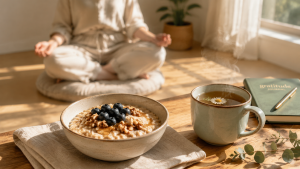
I remember those mornings when the alarm pulled me from sleep, leaving me restless and foggy, like my mind was still half-hidden under the covers. The day stretched ahead, heavy with scattered thoughts before I'd even stood up. Over months of quiet trials, I pieced together small habits that brought a steadier rhythm, not through force, but through gentle consistency.
These weren't grand changes, just anchors that helped me greet the day with more calm. What started as experiments became a flow I looked forward to. If your mornings echo that tired haze, here's what steadied me, offered warmly for your own path.
I noticed how stacking a few of these created a quiet momentum. They fit into busy lives without overwhelm, drawing from everyday moments like the first light through the window or a slow breath before coffee. Let's walk through them, grouped to feel natural.
Awakening the Body Softly
Habit one: Open the curtains for natural light right away. That soft dawn glow eases you awake, chasing off the morning grogginess without harsh lamps. I found it shifted my restless start into something calmer, almost like the light whispered permission to move.
Next, sip a glass of room-temperature water. After hours without, it feels like a quiet hydrate, settling any overnight dryness. On cooler days, I let it sit out overnight—it greets me steady and kind.
Habit three: Gentle stretches for five minutes. Reach arms overhead, twist side to side, maybe touch your toes loosely. It unwinds the night's tension, leaving limbs feeling loose rather than stiff. Pairing this with ideas from the Active Morning Plan with Light Exercise Moments made those first bends even more inviting.
Finally, a short mindful walk, ten minutes around the block or yard. Notice the air on your skin, feet on the ground—no rush, just presence. Even on rainy days, pacing indoors worked, bringing a fresh steadiness before the day's pull.
Settling the Mind Gently
Habit five: Ten deep breaths, in through the nose, out slow. Sit by the window if you can, letting thoughts drift without chasing. It quiets the inner chatter, creating space before emails or plans take over.
I started this after reading about approaches in the Morning Health Plan Starting with Deep Breaths, and it became my reset when worries crowded in early. The rhythm grounds you, breath by breath.
Habit six: Jot three gratitudes in a notebook or phone note. Simple ones like warm socks or a bird outside—nothing fancy. On rushed weekdays, I did it over tea; it tilted my view from tired to quietly thankful.
Then, habit seven: A simple whole-food breakfast, like oats with fruit or yogurt and nuts. It nourishes without heaviness, fueling the hours ahead steadily. Weekends let me linger, but even quick prep midweek kept the calm going.
Nourishing Body and Surroundings
Habit eight: Loosely note three priorities for the day. Not a rigid list, just whispers like "call friend" or "finish report draft." Scribble on a sticky note—it clears mental clutter without pressure.
I noticed this eased midday restlessness, especially after layering in light from those 12 Light Additions to Your Morning Routine. It gave direction softly.
Habit nine: Play soft music or nature sounds while moving through the others. Gentle birdsong or acoustic guitar fills the space warmly. It turns routine into a pleasant hum, smoothing edges on groggy days.
Last, habit ten: Tidy one small area, like making the bed. Pull up sheets, fluff pillows—two minutes tops. That one smoothed corner ripples out, quieting the subtle chaos around me.
What Helped Me, What Might Help You
Stacking just two or three at first kept it sustainable—no all-or-nothing push. When I skipped the walk on travel days, midday felt more scattered, a reminder of its quiet lift. Adapting for seasons, like indoor stretches in winter, made it fit life’s flow.
It helped when I tied habits to existing cues, like water after brushing teeth. You might start with light and breaths if focus wavers most. Notice what brings calm without strain; tweak as your days shift.
Over weeks, the steadiness built—not dramatic, but a reliable undercurrent. Friends shared similar wins, like less afternoon drag. Warmly, let these be starting points, shaped to your rhythm.
A Gentle Experiment
For the next five days, pick one habit, say opening curtains for natural light. Do it daily, no more, and notice evening reflections: Did mornings feel less restless? A quick journal note captures the subtle shifts.
Curiosity over perfection—maybe it sparks adding breaths next. This tiny timeline builds familiarity gently. What small change calls to you?
Your 10 Morning Habits Checklist
Here's a simple list for quick reference—scan mentally or jot on paper each morning. Aim for a few checks, celebrating progress over fullness. It’s your flexible guide.
- 1. Open curtains for natural light
- 2. Drink a glass of room-temperature water
- 3. Do 5 minutes of gentle stretches
- 4. Take a short 10-minute walk
- 5. Practice 10 deep breaths
- 6. Jot down 3 things you're grateful for
- 7. Enjoy a simple, nourishing breakfast
- 8. Note your top 3 loose priorities
- 9. Play soft music or nature sounds
- 10. Tidy one small area, like your bed
Frequently Asked Questions
How do I start if mornings are rushed?
Pick one or two that slip in easily, like opening curtains and sipping water—they take under two minutes total. Let them become automatic hooks before adding more. Build as your flow allows, keeping it light and kind.
What if I forget a habit some days?
Forgetting is part of any rhythm—gently return without self-judgment. Notice the feeling that day, like extra tiredness, as a soft cue. Over time, the pattern strengthens through compassion, not force.
How much time do these habits take altogether?
If linked smoothly, about 30 to 45 minutes, but that's flexible. Even selecting four might clock 15 minutes with real shifts. Tailor to your pace; less can still steady the start.
Can I adapt these for shift work or late risers?
Absolutely—apply them to your "morning" window, whenever activity begins. Natural light and breaths work anytime to ease transition. Shift the walk to evening if needed; the essence holds.
Will I notice changes right away?
Changes unfold differently—some sense calm by day three, others after a week of quiet tries. Tune into nuances like steadier focus or less fog. Patience reveals the gentle build.
What one habit feels inviting first? Give it space this week and reflect on the quiet difference it brings.