Why Meal Prep Fails for Picky Eaters (And How to Fix It)
If you've ever spent a Sunday afternoon prepping individual bento boxes only to watch your picky eater push them around the plate, you're not alone. The standard advice-"just hide the veggies" or "make it fun shapes"-often ignores the real barrier: the psychology behind why certain foods feel unsafe or unappealing. I've been there: when my own child refused anything green for six months straight, I learned that meal prep for picky eaters isn't about recipes. It's about a system that respects fear of novelty, texture sensitivity, and the need for control.
This guide goes beyond recipe lists. We'll cover the psychological framework-food chaining, exposure hierarchy, and the 5 P's of picky eating-then pair it with practical prep strategies that actually respect your budget and sanity. You'll learn how to meal prep for people who are picky eaters by first understanding why they resist, then building a system that expands their comfort zone without triggering mealtime battles.
The 5 P's of Picky Eating: A Framework You Can Use Today
One of the most common questions I hear is, "What are the 5 P's of picky eating?" This framework-Patience, Persistence, Presentation, Pairing, and Praise-is a practical tool for reducing mealtime pressure. It's not a cure-all, but it helps you avoid the cycle of frustration that leads to more pickiness. Let me break each one down with real-world examples from my own kitchen.
Patience: The Underrated Ingredient
Most people don't realize that a picky eater may need 10-15 exposures to a new food before they even taste it. Patience means not forcing the issue. When I first introduced roasted carrots, I just placed them on the plate for three weeks without saying a word. Eventually, my child touched one, then licked it, then took a bite. Patience gives the brain time to update its "safe" list without triggering a fight-or-flight response.
Persistence: Consistency Without Pressure
Persistence doesn't mean nagging. It means offering the same neutral, safe base-like plain pasta or rice-with a new ingredient on the side. Over time, that new ingredient becomes familiar. I keep a small container of steamed broccoli in the fridge every week, even if it's not eaten. The goal is exposure, not consumption.
Presentation: Small Changes, Big Impact
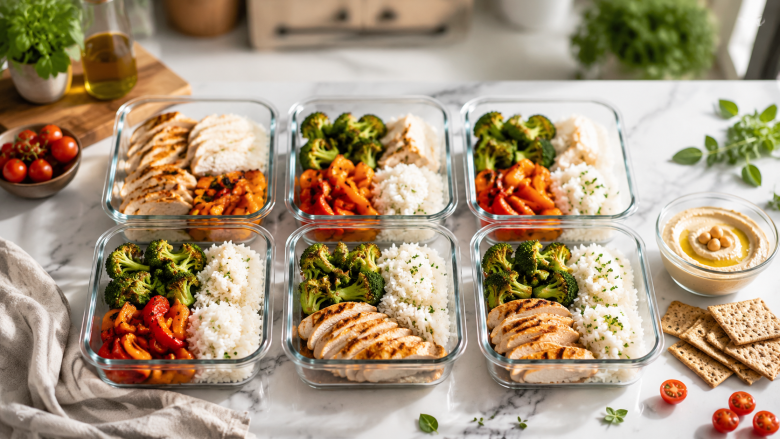
For picky eaters who are sensitive to color or texture, presentation matters enormously. I've seen a child refuse a sandwich because the bread touched the lettuce. Use compartmentalized containers (like bento boxes) to keep foods separate. For a "white foods only" phase, I prep a plate of cauliflower rice, chicken breast, and yogurt-all white, but nutritionally balanced. Simple presentation tricks can reduce anxiety without changing the recipe.
Pairing: The New Food Bridge
Pairing means serving a new food alongside a known favorite. If your child loves ketchup, pair a new veggie with a small dip of ketchup. The familiar flavor acts as a bridge. I prep individual portions of hummus or ranch dressing to accompany raw bell peppers or cucumber sticks. The pairing principle is backed by research on food neophobia showing that familiar flavors increase acceptance of novel foods.
Praise: Specific, Not General
"Good job!" is too vague. Instead, praise the specific action: "I noticed you touched the broccoli-that took courage." This reinforces the behavior you want to see. I keep a small notepad on the fridge to track which foods my child has interacted with, and I celebrate small wins like sniffing or licking. Over time, this builds a positive association with new foods.
Step 1: Identify Your Eater's Aversion Type
Before you start meal prepping, you need to diagnose the type of pickiness. Most picky eaters fall into one or more of these categories: texture-sensitive, color-sensitive, novelty-averse, or flavor-specific. Here's how to spot each one and what it means for your prep.
- Texture-sensitive: They reject foods based on mouthfeel-slimy, crunchy, mushy, or grainy. Common triggers: cooked spinach, yogurt with chunks, or oatmeal. Solution: focus on consistent textures. For example, if they only eat crunchy, prep raw veggies, nuts, and crispy chicken tenders.
- Color-sensitive: They only eat beige, white, or brown foods. Green or red foods are rejected. Solution: work within the acceptable color palette. Cauliflower, chicken, rice, pasta, and cheese are all neutral. Gradually add a tiny bit of color (like a sprinkle of parsley) to bridge the gap.
- Novelty-averse: They refuse anything new on the plate. Solution: use the "safe base" approach-prep a base they love (like plain pasta) and offer a small side of something new. Never mix new and unfamiliar together.
- Flavor-specific: They only like sweet, salty, or bland flavors. Solution: use dips and sauces to modify flavor without changing the core food. For example, a bland chicken breast can be paired with a sweet teriyaki sauce or a salty ranch dip.
When I first started prepping for a texture-sensitive eater, I made the mistake of assuming all vegetables were a no-go. But I discovered that raw carrots (crunchy) were accepted, while steamed carrots (soft) were rejected. That single insight changed my entire prep strategy. The thing nobody tells you about picky eating is that the same food can be a "yes" or "no" depending on preparation method.
Step 2: Use Food Chaining to Introduce New Ingredients
Food chaining is a technique used by feeding therapists to expand a picky eater's diet by starting with a food they already accept and making small, incremental changes. For example, if they eat plain pasta, try adding a tiny amount of butter. Next week, add a sprinkle of Parmesan. Then a small amount of tomato sauce. Each step is so minor that it doesn't trigger rejection.
Here's a concrete food chain I used to introduce vegetables to a child who only ate chicken nuggets:
- Week 1: Chicken nuggets (homemade, breaded) - accepted.
- Week 2: Chicken nuggets with a small side of finely chopped broccoli mixed into the breading - the texture is hidden, flavor is mild.
- Week 3: Chicken nuggets with a small side of broccoli florets (steamed very soft, nearly mashed) - still separate, but familiar.
- Week 4: Chicken nuggets served with a small pile of whole broccoli florets - no pressure, just exposure.
This process takes time, but it's far more effective than hiding vegetables in a way that feels deceptive. If you're looking for a quick breakfast application, check out our guide on how to prep a healthy breakfast in minutes-you can apply the same food chaining principles to morning meals.
Step 3: Prep Nutrient-Dense "Safe" Bases
Instead of prepping entirely new meals, focus on building a repertoire of safe bases that are nutritionally complete and can be customized. Think of these as building blocks:
- High-protein nuggets or patties: Use ground chicken or turkey mixed with finely grated zucchini or sweet potato. Cook in bulk, freeze, and reheat. The hidden veggie adds fiber and vitamins without changing the taste or texture.
- Cauliflower rice: For color-sensitive eaters, keep it white. For texture-sensitive, pulse it finer until it resembles couscous. It's a neutral base that can be flavored differently each day.
- Yogurt-based dips: Plain Greek yogurt mixed with a little honey or ranch seasoning. This adds protein and calcium and can be a vehicle for raw veggies or fruit.
- Muffin tin frittatas: Whisk eggs with a splash of milk, pour into greased muffin tins, and add any safe ingredient (cheese, ham, finely chopped spinach). Bake and freeze. These are portion-controlled, protein-rich, and easy to reheat.
A common mistake is prepping five different meals for the week. That leads to waste and burnout. Instead, prep two or three safe bases and a few mix-ins. For example, make a batch of plain chicken breast, a batch of quinoa, and a batch of steamed broccoli. Then each day, combine them differently-with a different sauce, cheese, or spice. The variety comes from the pairing, not the food itself.
Step 4: Apply the 5 P's to Your Prep Routine
Meal prep isn't just about cooking-it's about setting up the environment for success. Here's how to integrate the 5 P's into your weekly prep:
- Patience: Prep small portions of new foods that you're willing to leave on the plate for multiple meals without pressure. Store them in clear containers so they're visible.
- Persistence: Include one new item each week in your prep, even if you know it won't be eaten. The exposure builds familiarity.
- Presentation: Use compartmentalized containers to keep foods separate. Invest in a set of bento boxes (Amazon link) that allow you to portion out dips, fruits, proteins, and crunch items without mixing.
- Pairing: Prep a "safe sauce" or dip that can be added to any meal. For example, a mild cheese sauce can be drizzled over broccoli or pasta.
- Praise: Keep a small checklist on the fridge. After each meal, note any interaction with a new food. Celebrate these micro-wins verbally.
Budget-Friendly Meal Prep for Picky Eaters
One of the biggest challenges is cost. Picky eaters often waste food, and buying specialty ingredients can strain a budget. Here are strategies I've used to keep costs down while still expanding variety:
- Use frozen vegetables: They're cheaper, last longer, and can be pureed into sauces or hidden in patties. Frozen spinach, broccoli, and cauliflower retain nutrients well.
- Buy in bulk for safe bases: Chicken thighs, rice, oats, and plain yogurt are inexpensive and versatile. Prep large batches and freeze.
- Make your own purees: Steam a bag of frozen carrots or cauliflower, blend with a little water, and freeze in ice cube trays. Each cube can be added to soups, sauces, or ground meat dishes.
- Don't waste leftovers: If a new food is rejected, don't throw it away. Repurpose it. For example, roasted broccoli that wasn't eaten can be blended into a cheese sauce for pasta the next day.
- Limit variety: You don't need to offer 10 different meals. Two or three well-balanced options per week are enough. Rotate them every few weeks to maintain interest.
For a quick breakfast option that's budget-friendly, see our overnight prep guide-these recipes use affordable staples like oats, milk, and fruit.
Nutritional Balance When Your Options Are Limited
When your picky eater only accepts a narrow range of foods, it's easy to worry about nutrient gaps. Here's how to cover the big three-protein, fiber, and vitamins-without a fight.
Protein
If they only eat chicken nuggets, make them yourself with ground chicken or turkey mixed with egg and breadcrumbs. Add a tablespoon of ground flaxseed or chia seeds for omega-3s. If they prefer dairy, Greek yogurt, cheese sticks, and milk are excellent sources. For plant-based eaters, try silken tofu blended into smoothies or mashed into a "cream" sauce.
Fiber
White rice and pasta have no fiber. Replace half the white rice with cauliflower rice (blend until it looks like rice) or mix finely grated zucchini into pasta sauce. Another trick: add a tablespoon of psyllium husk powder to smoothies, soups, or sauces. It's flavorless and dissolves completely.
Vitamins and Minerals
For color-sensitive eaters who only eat beige foods, focus on fortified foods: fortified cereals, enriched pasta, and milk. Consider a daily multivitamin as a backup. For texture-sensitive eaters, blend vegetables into smoothies. A classic "green monster" smoothie with spinach, banana, and yogurt is green but can be masked with enough fruit. If they refuse green, use orange cauliflower (carrot-based) or purple sweet potatoes.
Most people don't realize that a child eating only five foods can still be well-nourished if those foods are chosen wisely. For example, a diet of plain yogurt, fortified cereal, milk, chicken, and apples covers most basic needs. Don't stress about perfection-focus on incremental improvements.
What Can Go Wrong (And How to Fix It)
No matter how carefully you plan, things will go wrong. Here are common pitfalls and how to handle them:
- They reject the new food entirely: Don't force it. Remove the food without comment and try again in a few days. The exposure still counts.
- They regress after a period of eating well: This is normal, especially during illness or growth spurts. Return to the most basic safe foods and rebuild slowly.
- They only eat prepackaged snacks: Start by swapping one snack per day for a homemade version. For example, replace fruit snacks with a yogurt tube or apple slices with peanut butter.
- You run out of time to prep: Start small. Prep just one component-like a batch of hidden-veggie sauce or a tray of baked chicken tenders. Even 15 minutes of prep can make a difference.
Sample Weekly Meal Prep Plan for a Picky Eater
Here's a realistic plan that uses the strategies above. It assumes a texture-sensitive eater who accepts crunchy foods and dislikes mixed textures.
| Day | Breakfast | Lunch | Dinner |
|---|---|---|---|
| Monday | Greek yogurt with honey + granola (crunchy) | Crunchy chicken tenders + carrot sticks + apple slices | Deconstructed tacos: ground beef, lettuce, cheese, tortilla chips (separate bowls) |
| Tuesday | Smoothie (banana, spinach, yogurt) - served in a cup with a straw | Ham and cheese roll-ups + cucumber spears + grapes | Homemade fish sticks + roasted potato wedges + broccoli (raw, with ranch) |
| Wednesday | Hard-boiled egg + toast strips | Leftover chicken tenders + bell pepper strips + cottage cheese | Cauliflower rice bowl: chicken, shredded cheese, corn, tomatoes (all separate) |
| Thursday | Overnight oats (see our morning routine guide) | Quesadilla (cheese only) + salsa on the side + apple slices | Meatballs (hidden zucchini) + spaghetti + plain sauce |
| Friday | Muffin tin frittata (cheese, ham) | Leftover meatballs + carrot sticks + yogurt | DIY pizza: English muffin, sauce, cheese, pepperoni - let them assemble |
This plan uses repetition and safe bases, with one new food introduced each week (e.g., raw broccoli on Tuesday, zucchini in meatballs on Thursday). The key is that each meal has at least two components the eater already accepts, so the new item feels less threatening.
When to Seek Professional Help
While most picky eating is a phase that can be managed with consistency, there are signs that indicate a deeper issue. If your child (or adult) experiences any of the following, consider consulting a feeding therapist or dietitian:
- Weight loss or failure to gain weight
- Gagging, vomiting, or choking with new foods
- Extreme anxiety around mealtimes
- Refusal to eat entire food groups (e.g., all proteins or all fruits)
- Limited diet of fewer than 20 foods, with no willingness to try new ones
These situations require individualized support. The strategies in this article are designed for milder picky eating and may not be sufficient for severe cases.
Final Thoughts: The Long Game
Meal prep for picky eaters is not a quick fix-it's a process of building trust, one small step at a time. The most important thing you can do is remove the pressure from yourself. You don't need to be a chef or a therapist. You just need a system that respects where your eater is right now, while gently nudging them toward a wider variety.
Start with the 5 P's. Identify the aversion type. Use food chaining. Prep safe bases. And remember: every meal is a chance to practice, not a test. The day your picky eater willingly takes a bite of something new, you'll know it was worth it.