Your Snack Strategy for Weight Loss on the Go
If you've ever been stuck in an airport terminal with nothing but a 99-cent bag of pretzels and a can of soda, you know the struggle. The question isn't just what to eat while traveling to lose weight-it's how to make it actually happen without derailing your progress. I've been there, and after years of trial and error, I've found a system that works. The key isn't a magic snack; it's a 5-minute prep routine that turns your kitchen into a portable, diet-friendly snack station. This guide will give you the exact combos, store-bought picks, and mindful eating tactics that keep you on track-even when your schedule is chaotic.
Why Most "Healthy Snacks" Fail on the Go (And How to Fix It)
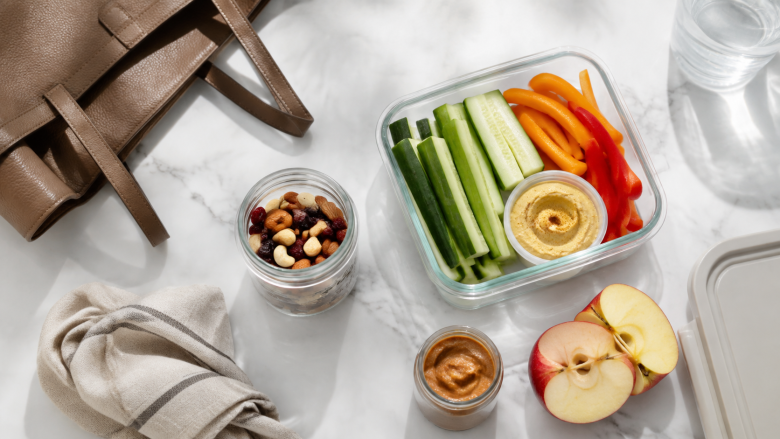
Let's be honest: many articles list snacks like "apple slices with peanut butter" without mentioning that the apple browns, the peanut butter leaks, and you end up with a sticky mess in your bag. I learned this the hard way during a cross-country road trip. I packed a beautiful container of cut veggies and hummus, only to have it overturn in my backpack, coating everything in chickpea slurry. The thing nobody tells you about on-the-go snacking is that portability is just as important as nutrition. A snack that's 200 calories but melts, spills, or requires a fork isn't going to work when you're driving, walking, or sitting in a meeting.
After that disaster, I developed a checklist: every snack must be spill-proof, shelf-stable for at least 4 hours, and require no utensils. That's the foundation. Then I layer in the nutrition criteria: ≤5g added sugar, ≥5g protein, and ≤200 calories per serving. This isn't just a number game-it's about satiety. Protein and fiber keep you full, while hiding added sugar prevents energy crashes. As we covered in our guide to prepping a healthy breakfast in minutes, the same principle applies to snacks: plan ahead, and you'll avoid the vending machine trap.
The 5-Minute Snack Prep System: Build Your Travel-Proof Combos
Here's the framework I use. It takes less than five minutes each morning, and it gives me three to four snack combos that last all day. The system is built around four categories: protein, produce, healthy fat, and crunch. You pick one from each category, and you've got a balanced mini-meal. The secret is pairing textures: a creamy element (like almond butter) with a crunchy one (like apple slices) creates a sensory experience that tricks your brain into feeling more satisfied. Most people don't realize that texture variety can curb cravings more effectively than just protein alone. Here are my go-to combos:
- Mini cucumber + tuna pouch: Slice a Persian cucumber lengthwise, scoop out a tiny channel, and fill with a single-serve tuna pouch (look for ones packed in water, not oil, to keep calories low). Wrap in a paper towel and secure with a rubber band. No spill, no mess, and 15g protein.
- Single-serve almond butter + apple slices: Buy those little squeeze packs of almond butter (no added sugar). Pack a small apple whole-it won't brown until you slice it. Right before eating, slice the apple, squeeze the almond butter onto a piece of wax paper, and dip. The squeeze pack prevents leaks.
- Hard-boiled egg + mini bell pepper: Boil a batch of eggs on Sunday. Pack one egg with a mini bell pepper (cut the top off and remove seeds-use it as a cup). The pepper adds crunch and vitamin C, while the egg provides 6g protein.
- Edamame pods + a sprinkle of sea salt: Frozen edamame thaws by lunch. Pack in a small container-they're naturally portion-controlled and high in fiber (8g per half cup).
What to Eat While Traveling to Lose Weight: The Real-World Answer
When you're in a car, plane, or train, your options shrink. The answer isn't a single snack-it's a system of backup foods that work in any environment. For example, on a recent flight, I packed a small bag of raw almonds (a handful = about 160 calories) and a single-serve packet of whole-grain crackers (look for ones with at least 3g fiber). I also brought a zip-lock bag of frozen grapes-they thaw by the time you're ready to eat, and they're like a mini popsicle without the sugar. The key is to avoid anything that requires refrigeration for more than two hours. If you're worried about food safety, use an insulated lunch bag with an ice pack. For a deeper dive on overnight prep ideas, check out our guide to quick overnight breakfasts-the same principles apply to snacks.
Smart Store-Bought Picks: What to Look For (and What to Avoid)
You don't have to make everything from scratch. But the grocery store is a minefield of "healthy" snacks that are actually junk. I've spent hours reading labels so you don't have to. Here's my quick checklist for picking a packaged snack that supports weight loss on the go:
- Added sugar: ≤5 grams per serving. Many granola bars sneak in 10-15g of sugar. Look for "no added sugar" or check the ingredient list-if sugar is in the first three, put it back.
- Protein: ≥5 grams per serving. This helps with satiety. Nuts, seeds, jerky, and edamame are solid choices.
- Calories: ≤200 per serving. Single-serving packages are your friend-they prevent mindless overeating.
- Fiber: ≥3 grams per serving. Fiber slows digestion and keeps you full longer.
- Ingredient list: Should be short-ideally fewer than five ingredients. If you can't pronounce it, don't eat it.
My top store-bought picks include: Epic Provisions bison bars (9g protein, 0g sugar), Bare baked apple chips (no added sugar, just apples), Seapoint Farms dry-roasted edamame (11g protein, 8g fiber), and Biena chickpea puffs (6g protein, 4g fiber). For a creamy option, I love Siggi's simple sip yogurt (it's a drinkable yogurt with 12g protein and only 5g sugar). But watch out for "protein bars" that are just candy bars in disguise-if it has a chocolate coating and lists sugar multiple times, it's not a snack; it's dessert.
Snacks for Specific Diets: Vegan, Keto, and Low-FODMAP
One size does not fit all. If you're following a specific diet, the standard snack list might not work for you. Here's how to adapt my system to common restrictions:
Vegan
Skip the animal products and focus on plant-based protein. Try: roasted chickpeas (make your own with a can of chickpeas, olive oil, and spices-bake at 400°F for 20 minutes), edamame, nut butter packets (check that they're vegan-most are), and seaweed snacks (low calorie, high umami). Pair with veggies like cucumber or carrot sticks. Avoid vegan protein bars that are high in sugar-many have 20g+ of sugar. Look for ones sweetened with monk fruit or stevia.
Keto
On keto, you need high fat, moderate protein, very low carbs. My go-to: hard-boiled eggs (fat from the yolk), macadamia nuts (lowest carb among nuts), cheese crisps (like Whisps-just cheese, no fillers), and celery sticks with full-fat cream cheese. Avoid fruit-even berries can add up carbs quickly. A single-serve avocado (pack it whole, slice when ready) is perfect. Be careful with protein bars-many have hidden carbs from chicory root fiber, which can spike blood sugar in some people.
Low-FODMAP
If you have IBS, trigger foods like apples, peanuts, and garlic can cause bloating. Safe options: hard-boiled eggs, carrot sticks, aged cheese (like cheddar), walnuts, strawberries (limited to 5-6), and rice cakes. Pair a rice cake with a smear of peanut butter (check that it's made from peanuts only-no added high-FODMAP ingredients). Avoid hummus (chickpeas are high-FODMAP in large amounts) and most protein bars (they often contain inulin or chicory root).
Mindful Eating on the Go: How to Avoid Mindless Snacking
Even with the perfect snack, you can still overeat if you're distracted. I've been guilty of finishing an entire bag of almonds while driving-and then wondering why I wasn't losing weight. The problem isn't the almond; it's the lack of attention. Here's a technique I use: the 20-second rule. Before you eat a snack, pause for 20 seconds. Ask yourself: "Am I actually hungry, or am I bored, stressed, or just thirsty?" If you're not sure, drink a glass of water first. Often, thirst mimics hunger.
Another trick: portion out your snack before you start eating. If you're on the road, use a small baggie or a reusable container. Don't eat from a large bag-your brain loses track of how much you've eaten. I also recommend chewing each bite 20 times. It sounds silly, but it slows you down and gives your stomach time to signal fullness. When I first tried this, I was shocked at how much less I ate. Pair this with a crunchy snack (like cucumber) to naturally slow your pace-crunchy foods require more chewing, which triggers satiety signals.
Texture and Satiety Hacks: Crunchy vs. Creamy to Curb Cravings
Here's a non-obvious insight: the texture of your snack can determine whether you feel satisfied or still hungry. Crunchy foods (like carrots, nuts, or rice cakes) stimulate the vagus nerve, which is linked to the brain's satiety center. They also require more chewing, which gives your body time to register fullness. Creamy foods (like yogurt, hummus, or nut butter) coat your mouth and can trigger a sense of indulgence, which is great for curbing emotional cravings. The magic happens when you combine both: think apple slices (crunchy) with almond butter (creamy), or celery sticks (crunchy) with Greek yogurt dip (creamy).
When I'm craving something sweet, I reach for a creamy vanilla Greek yogurt (plain, no added sugar) with a tablespoon of crushed walnuts (crunch). The combination satisfies both the sweet tooth and the need for texture. If you're craving salty, try popcorn (air-popped, crunchy) with a drizzle of tahini (creamy). This pairing works because it mimics the sensory experience of a full meal, making your brain think you've eaten something substantial.
The Ultra-Packable, No-Melt Snack Combos (Tested and Approved)
I've tested dozens of combos over the years, and here are the ones that survived road trips, flights, and long hikes. They're all spill-proof, no-melt, and shelf-stable for 4-6 hours (or longer with an ice pack).
- Almond butter squeeze pack + mini cucumber spears: Cut the cucumber into spears, dip in the almond butter. The cucumber provides crunch and water content, which helps with hydration.
- Hard-boiled egg + small bag of roasted chickpeas: The egg is protein, the chickpeas are fiber. Both are dry and easy to pack.
- Cheese stick + mini bell pepper: String cheese is portable and doesn't need refrigeration for a few hours. Slice the pepper and use it as a scoop.
- Single-serve tuna pouch + brown rice cakes: Tuna pouches are leak-proof if you don't open them until you're ready. Spread on a rice cake for a mini sandwich.
- Frozen grapes + a handful of almonds: The grapes thaw slowly, acting as an ice pack for the almonds. By lunchtime, they're perfectly cold and sweet.
One thing that can go wrong: if you're in a hot car, chocolate-based snacks become a disaster. Avoid anything with chocolate, yogurt coating, or nut butter that separates (some natural almond butters can leak oil). Stick to solid, dry combos. For a longer trip, invest in a small insulated lunch bag with a reusable ice pack-it's a game-changer.
Common Mistakes People Make (And How to Avoid Them)
After years of helping friends and clients, I've noticed recurring pitfalls. Here are the top three:
1. Mistaking "healthy" for "low calorie." A snack can be 100% organic and still have 400 calories. Nuts are healthy, but a handful is 160 calories; a cup is 800. Always check the serving size. I use a small digital scale (about $10) to weigh portions when I prep at home.
2. Ignoring the sugar content in seemingly savory snacks. Many flavored almonds, trail mixes, and even some jerky have added sugar. For example, a popular "teriyaki" beef jerky has 12g of sugar per serving. That's three teaspoons. Stick to plain or lightly salted versions.
3. Forgetting to drink water. We often snack when we're actually thirsty. If you're on the go, bring a reusable water bottle. Drink a full glass before you reach for a snack. If you're still hungry after 10 minutes, eat. If not, you were just dehydrated.
Your Quick-Reference Cheat Sheet for Dietary Restrictions
Print this out or save it on your phone. It's a one-look guide for choosing a snack based on your diet.
| Diet | Best Snack Pairing | Avoid |
|---|---|---|
| Vegan | Edamame + carrot sticks | Honey, dairy, eggs |
| Keto | Hard-boiled egg + avocado (half) | Fruit, grains, legumes |
| Low-FODMAP | Walnuts + strawberries (5) | Apples, hummus, garlic |
| Gluten-Free | Rice cake + almond butter | Wheat crackers, pretzels |
| High-Protein | Greek yogurt + cucumber | Low-protein chips, fruit alone |
This table covers the most common scenarios. The key is to always check the label-even if it's a "safe" food, packaged versions can vary.
Putting It All Together: Your 5-Minute Morning Routine
Here's what I do every morning before I leave the house. It takes exactly five minutes:
- Boil 2 eggs (if I didn't prep them the night before).
- Wash a cucumber and a bell pepper.
- Grab a single-serve tuna pouch or almond butter packet.
- Measure out a handful of almonds (about 1 ounce) or a small bag of edamame.
- Pack everything in a small lunch bag with an ice pack (if needed).
That's it. I have three snacks ready: a cucumber-tuna combo, a bell pepper with almond butter, and a handful of almonds. That's about 400 calories total, with 30g of protein and 15g of fiber. It keeps me full through a long day of meetings or travel. The best part? I never have to think about what to eat while traveling to lose weight-it's already done.
Remember, the goal isn't perfection. It's consistency. If you slip up, don't beat yourself up. Just get back to the system the next day. Over time, these small habits add up to real results.