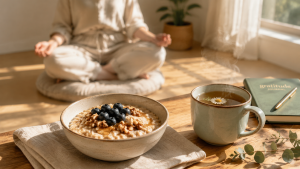
I remember mornings when the alarm jolted me awake, heart racing into the day's demands before my feet even touched the floor. Lately, I've been easing into dawn with small shifts that leave me feeling steadier, like a quiet pond instead of rushing waves. These quick tips aren't about perfection—they're gentle ways to invite calm right from the start, drawing from my own restless-to-rested mornings. There was a time when I'd leap out of bed, already scrolling emails, feeling scattered before noon. Now, a few soft habits have changed that rhythm, making space for a calmer flow that carries through the day.
Even on weekdays packed with meetings, these tweaks help me greet the light without tension building so fast. If you've ever felt that early-morning churn, you might find a similar steadiness here. Let's walk through them together, step by simple step.
Waking to Soft Light, Not Sharp Sounds
I used to set my alarm for a blaring buzz that yanked me from sleep, leaving me groggy and on edge. Switching to a gentle wake-up light changed everything—it mimics sunrise, easing my eyes open with soft glows over 20 minutes. No more jolt; just a natural lift into the day.
One foggy Tuesday, I placed my lamp across the room and let it brighten gradually. By the time it fully lit, I felt awake but not wired, ready to move without that usual rush. It helped when paired with drawing the curtains halfway, letting real dawn filter in softly.
For busy schedules, this takes zero extra time since it runs while you sleep. I noticed less morning fog in my thoughts, more like slipping into awareness gently. If sharp sounds still pull you, try apps that fade in birdsong or ocean waves alongside the light.
Thinking about a Daily Morning Wellness Routine for Busy Schedules made me realize how this fits seamlessly, turning wake-up into a calm anchor rather than a startle.
The Ritual of a Slow First Sip
Right after waking, before coffee's pull, I reach for warm water with a lemon slice—nothing fancy, just room-temp from the kettle. That first slow sip settles my stomach and signals my body it's time to ease in. It's become my quiet ritual, grounding me before the world speeds up.
Last week, on a chilly morning, I stood by the window sipping it mindfully, feeling the warmth spread and my breath deepen naturally. No rush to the machine; this pause let restlessness fade, leaving me steady for breakfast. Simple hydration like this cuts through that dry-throat haze without overwhelm.
It takes under two minutes, yet it shifts how the whole morning unfolds. I found it especially helpful after late nights, when I'd otherwise grab caffeine too soon and jitter through tasks. Try filling a mug the night before—it's there waiting, inviting that calm start.
Stretching into Awareness, Not Urgency
Instead of jumping into emails, I do three gentle stretches on the bedroom floor—neck rolls, arm circles, a forward fold. Each held for five breaths, it wakes my body without strain, turning stiffness into looseness. No gym clothes needed; just bare feet on the rug.
During a recent weekend reset, I lingered a bit longer in child's pose, feeling the weekend's built-up tension melt away. It brought a sense of awareness, like tuning into my own rhythm before the day's pull. Mornings after that felt less urgent, more like a gentle unfolding.
This builds a bridge from sleep to motion, easing restless energy. I noticed calmer shoulders by lunchtime, less hunching over the desk. For variety, add a seated twist while sipping that first water—combining them flows so naturally.
Exploring How to Add Mindful Breathing to Your Morning deepened this for me, weaving breath into every stretch for extra steadiness.
Five Steady Anchors for Your Morning
These five anchors form a simple chain I lean on daily—they're quick, stackable, and build on each other without adding pressure. Each one takes 1-3 minutes, creating a timeline that fits before breakfast. Here's how they steady me, in a glance:
| Morning Anchor | Felt Shift | Quick Timeline |
|---|---|---|
| Wake to gradual light | Less jolt, softer entry to day | Prep night before, 20 min passive |
| Slow warm lemon sip | Settled core, hydrated calm | 1-2 min right after waking |
| Gentle full-body stretch | Looser limbs, aware presence | 2-3 min on floor |
| One mindful breath per task | Steady focus, no scatter | 30 sec between actions |
| Gratitude note in journal | Warm outlook, less worry | 1 min at window or table |
I string them like beads on a thread: light wakes me, sip grounds, stretch opens, breaths connect tasks, note sets tone. Over time, this checklist became my unspoken rhythm, turning chaotic starts into something reliable. No need to do all five every day—pick what calls.
On rushed days, even two or three create that felt shift toward calm. Tracking them loosely in a phone note helped me see patterns, like how the breath anchor cuts midday restlessness best.
What Helped Me (and Might Help You)
Prepping the night before was a game-changer—dimming lights an hour early and lining up my water mug. It carried over into mornings feeling less frantic, like the evening wind-down planted seeds for dawn calm. I shared this with a friend juggling shifts, and she noticed steadier energy too.
When tiredness crept in from back-to-back evenings, shortening stretches to seated versions kept the flow without guilt. It reminded me that flexibility matters more than rigid routines. Small mindset shifts, like whispering "ease in" upon waking, quieted the inner push.
Linking to a Relaxed 15-Minute Morning Habit for Less Stress showed me how these anchors expand without overwhelm, fitting real life beautifully. What helped most was noticing one calm moment per morning—it snowballed into fuller days.
Relatable example: After a restless night, I'd skip straight to coffee before, feeling wired yet empty. Now, anchoring with a sip first fills that gap, proving tiny consistencies add up warmly over weeks.
A Gentle Experiment: One Week of Dawn Pauses
For the next three to seven days, try this: Pause two minutes post-wake, sitting up in bed for slow breaths or a quick journal line like "one steady thing today." No timer needed—just notice your inhale, exhale, and any calm creeping in.
Track loosely: Jot evening notes on how pauses felt—restless at first? Steady by day four? I did this last month and found midweek a subtle shift to less urgency. It's forgiving; miss a day, restart gently.
This builds familiarity with your own dawn rhythm, inviting calm without force. Small, right?
Carrying That Calm Forward
As the morning unfolds, let one anchor linger—like a breath before emails or a stretch mid-meeting break. It weaves steadiness through hours that might otherwise rush by. I've seen how this carries, turning potential stress into manageable flow.
Reflect for a moment: What felt most steady in your last morning? Pick one tip—like the slow sip—and carry it into tomorrow, noticing without judgment.
This isn't about flawless days, but stacking gentle moments that add up. Over time, calm becomes the default, not the exception. You've got this—one breath at a time.
FAQ
These tips feel too simple—will they really help?
Simplicity is their strength; small consistencies build calm over time, as I found on busy weeks when even one anchor steadied the rush. They invite awareness without big changes, letting steadiness grow naturally from daily use.
What if I have kids or a packed schedule?
Start with just one tip, like a breath between tasks or the lemon sip—it slots into rushed mornings seamlessly, even with little ones underfoot. I adapted by doing stretches while coffee brews, proving flexibility fits real life.
Can I do this on weekends too?
Absolutely, it turns resets into something restorative without extra effort, like extending stretches during a lazy brunch. Weekends became my testing ground, deepening the calm for weekdays ahead.
What counts as a "pause" in the experiment?
Any quiet moment to notice your breath—30 seconds by the bed or window works wonders, no perfection required. It's about that brief space to settle, however it arrives.
How do I know it's working?
Notice if you feel less restless by midday or carry a subtle steadiness into afternoons; adjust gently as needed. For me, fewer tense shoulders signaled the shift—trust your own quiet cues.