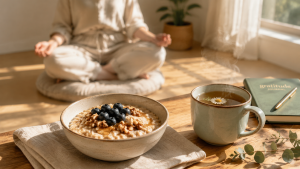
Last Tuesday, I woke to the soft hum of birds outside my window instead of my phone's insistent buzz. The room was still dim, wrapped in that quiet gray before sunrise, and for a moment, I just lay there, feeling the weight of yesterday's worries lift like fog. It wasn't always like this—mornings used to hit me like a wave, pulling me into a rush of to-dos before my feet even touched the floor.
What shifted was simple: I started treating dawn as a gentle invitation rather than a starting gun. No more jolting awake, heart racing from alarm shock. Those calm beginnings carried a steadiness through my day, turning potential stress into something more manageable.
If you're tired of mornings that set a frantic tone, this routine might feel like a quiet friend. It's not about perfection or rigid rules. Let's walk through it together, step by step, with what worked for me on restless days.
The Soft Wake-Up: Greeting Dawn Without Alarm Jolts
I used to rely on a blaring alarm that yanked me from sleep, leaving me groggy and on edge. One weekend, I experimented with letting natural light nudge me awake—dimming the room at night and using a sunrise simulator. It felt kinder, like the day was easing in rather than demanding entry.
Start by pulling curtains just enough for soft light to filter through around your usual wake time. I noticed my body adjusted over a week, waking more rested without the jolt. This small shift made the transition from sleep to awake feel steady, not abrupt.
Pair that gentle rise with a moment to stretch under the covers. It helps loosen any overnight tightness. From there, the rest of the morning unfolds without that initial rush.
Breath as Your Anchor: Five Minutes to Settle the Mind
On days when my mind buzzed with tomorrow's worries right upon waking, I sat by the window for five minutes of simple breathing. Inhale for four counts, hold, exhale slowly—nothing fancy, just a pause. It turned restless thoughts into something calmer, like watching clouds drift.
I found it especially helpful before reaching for coffee. The breath acted as an anchor, grounding me in the now. Even on hurried mornings, those minutes left me feeling more present.
Try it sitting up in bed if the floor feels too much. Notice how your shoulders drop. This sets a tone of quiet focus for what comes next.
- Step 1: Wake gently. Let light or a soft sound guide you, no harsh alarms. Stretch lightly in bed to greet your body.
- Step 2: Breathe deeply. Sit for five minutes—in for four, out for six. Feel your mind settle like still water.
- Step 3: Nourish slowly. Sip warm water or tea, add a piece of fruit. Savor without scrolling or rushing.
- Step 4: Move mindfully. Walk outside or flow through gentle stretches. Let it open your day without strain.
Slow Sips and Simple Fuel: Nourishing Body Before the Rush
Rushed breakfasts left me jittery, so I shifted to slow sips of herbal tea—chamomile or ginger, whatever felt soothing. Paired with a handful of berries or a slice of toast, it was fuel without overwhelm. I savored the warmth, letting it spread calm through my chest.
This pause before emails or news made a difference. My energy felt steadier, not spiked then crashed. It's about nourishing the body gently, honoring the quiet hour.
Keep it simple: warm lemon water if tea isn't your thing. Notice how it eases you into the day. For more on starting hydrated, the Quick Morning Habit Sequence for Better Hydration fits right here.
Gentle Movement: Stretching into the Day's Possibilities
After sipping, I'd step outside for a short walk around the block, feeling the cool air on my face. Or on rainy days, a few yoga poses—cat-cow, forward fold—right in the living room. It eased the tightness from sleep without pushing too hard.
I discovered this released lingering restlessness, opening a sense of possibility. No gym clothes needed; just comfortable layers. The rhythm of breath with movement carried that calm forward.
Listen to your body—if a walk feels right, go for it. It connects you to the morning's quiet energy. This flows naturally into a focused start, much like in the 10-Minute Morning Plan to Boost Your Focus.
What Helped Me (and Might Help You)
Dimming lights at night helped my sleep deepen, making wake-ups easier. I noticed less midday fatigue after consistent soft starts. On weekends, I'd reset with this full routine, carrying the calm into the week.
Breathing through restless mornings steadied my mood noticeably. Simple fuel like fruit kept hunger at bay without heaviness. Gentle walks cleared mental fog, especially after tough evenings.
These weren't big changes, but they stacked into fewer stress peaks. You might find one resonates most—try noticing what brings that steady feeling for you. It adds up gently over time.
Your Gentle Experiment: One Small Shift for a Week
For the next seven days, pick just the breath anchor upon waking—five minutes, no more. Jot a quick note each evening: How did your morning feel? Did the day carry less tension?
It helped me build trust in small pauses. Keep it light; if you miss a day, start fresh. This tiny habit can shift your mornings toward calm.
Reflect: What one piece feels inviting? Try it tomorrow morning. For steady energy alongside, weave in ideas from the Simple Morning Routine to Boost Your Daily Energy.
FAQ
How long does this routine take?
About 20 to 30 minutes, but it's flexible—shorten steps on busier days. I often trim the walk to five minutes and still feel the calm. Adjust to what fits your rhythm.
What if I can't wake up early?
Start whenever your body naturally stirs; the routine works anytime in the first hour. I shifted mine later during winter months. It's about the quality of the pause, not the clock.
Can I add this to a busy schedule?
Yes, by stacking it into existing moments—like breathing while the kettle boils. On packed days, I did just steps one and two. It scales without adding pressure.
What if I forget a step?
No worry—pick up where you left off, or just breathe for a moment. I forgot movement some days and still benefited from the rest. Gentleness is the point.
How do I know it's reducing stress?
Notice cues like easier breaths midday or fewer racing thoughts. For me, evenings felt less wound up. Track feelings loosely; steadiness shows in quiet ways.